
Table of Contents
- What Is a Blood Clot?
- DVT Symptoms: 6 Key Signs
- DVT vs. Muscle Strain: How Can You Tell the Difference?
- What Are Signs of a Pulmonary Embolism?
- What Are the Main Risk Factors for Blood Clots?
- When Should You Seek Care for Blood Clot Symptoms?
- How Is DVT Diagnosed?
- The Bottom Line on Early Stage Blood Clot Symptoms
- FAQs
Table of Contents
- What Is a Blood Clot?
- DVT Symptoms: 6 Key Signs
- DVT vs. Muscle Strain: How Can You Tell the Difference?
- What Are Signs of a Pulmonary Embolism?
- What Are the Main Risk Factors for Blood Clots?
- When Should You Seek Care for Blood Clot Symptoms?
- How Is DVT Diagnosed?
- The Bottom Line on Early Stage Blood Clot Symptoms
- FAQs
Key Takeaways:
Blood clots in deep veins are called deep vein thrombosis (DVT). DVT most commonly occurs in the legs and may lead to pulmonary embolism if the clot travels to the lungs.
Common symptoms include one-sided swelling, persistent calf pain, warmth, redness, and bulging veins.
Pulmonary embolism symptoms such as chest pain, shortness of breath, or coughing blood require emergency medical attention.
Risk factors for blood clots include surgery, prolonged sitting, pregnancy, smoking, obesity, hormonal therapy, and family history.
This guide explains common early-stage blood clot symptoms, how deep vein thrombosis (DVT) differs from a muscle strain, when to seek medical care, and what doctors look for during diagnosis.
If you are experiencing sudden shortness of breath, chest pain, fainting, or coughing up blood, call 911 immediately. These may be signs of a pulmonary embolism (PE), a potentially life-threatening emergency caused by a blood clot traveling to the lungs.
What Is a Blood Clot?
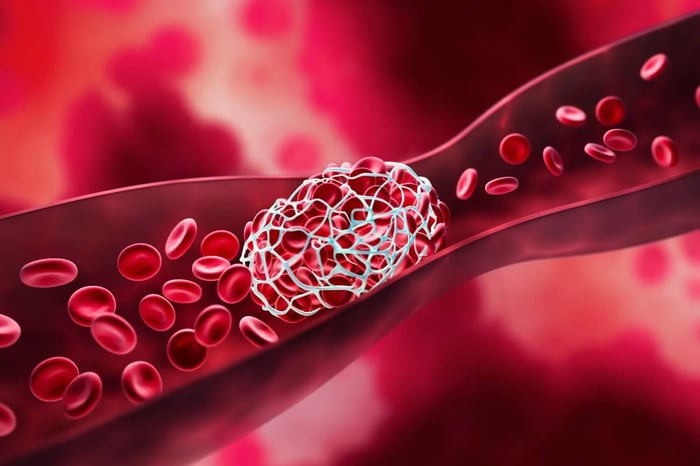
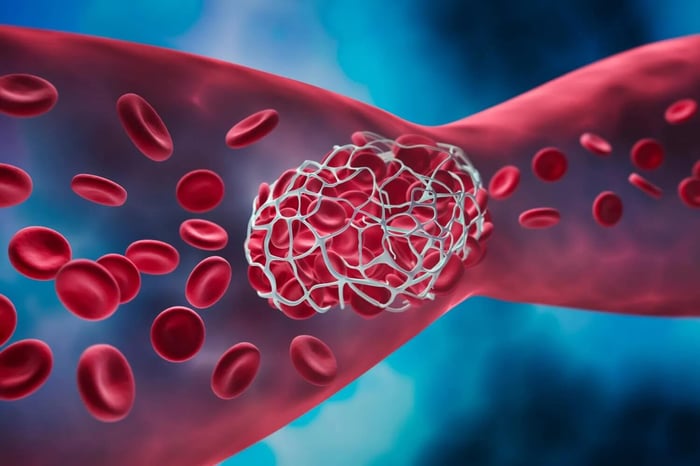
A blood clot is a sticky, jelly-like clump of blood that forms when blood thickens and clots together. Clotting is a normal protective response that helps stop bleeding after injury, and your body is supposed to do this. Your body needs to form blood clots after an injury to begin the healing process.
Problems arise when clots form inside blood vessels without a good reason or fail to dissolve properly. Blood clots affect an estimated 300,000 to 600,000 Americans each year.
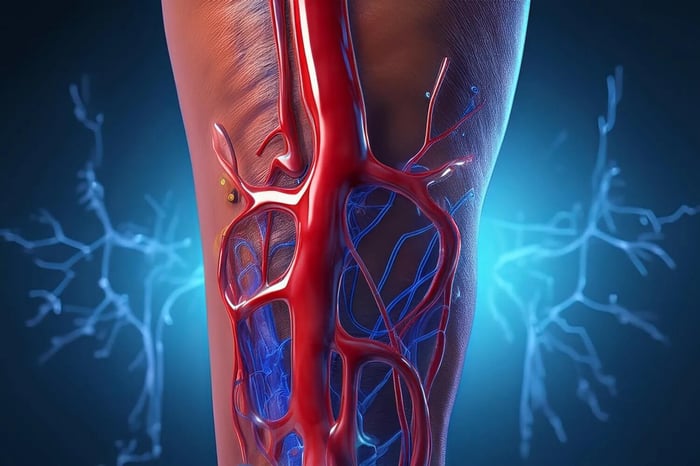
Deep vein thrombosis (DVT) refers to a clot forming in a deep vein, usually in the leg. These clots are dangerous because part of the clot can break loose and travel to the lungs, causing a pulmonary embolism.
Arterial clots are different. They form in arteries and are more commonly associated with heart attacks or strokes.
DVT Symptoms: 6 Key Signs
One of the most important things to understand about DVT is that the symptoms can be easy to dismiss. A sore calf after a long day, a little swelling after a flight — these things happen, but there are specific patterns that set DVT apart from everyday discomfort, and recognizing them early can be genuinely life-saving.
Blood clot symptoms can vary, and some people experience no symptoms at all. However, several warning signs appear repeatedly in DVT cases.
1. One-Sided Leg Swelling
Swelling in one leg (especially the calf or lower leg) is one of the most common DVT symptoms. The swelling may appear suddenly or gradually worsen over several days. A clot blocks normal blood flow, causing fluid buildup in the affected area.
The detail that matters here is the "one-sided" part. Swelling that occurs in only one leg is more concerning than generalized swelling affecting both legs equally. When both legs are swollen, this can indicate a different medical concern. If you experience unexplained leg swelling, you should talk to your doctor.
2. Persistent Leg or Calf Pain
DVT pain often feels different from a normal muscle strain or post-workout soreness. It's usually described as a deep aching or throbbing pain that's persistent.
Unlike a muscle cramp, the discomfort often does not improve with stretching or massage and may worsen over time.
3. Skin Warmth
A blood clot may trigger localized inflammation that makes the affected area feel noticeably warmer than the surrounding skin. Warmth is commonly felt in the calf, ankle, or thigh and may occur alongside pain or swelling.
4. Redness or Skin Discoloration
Changes in skin color can occur when blood flow becomes disrupted. The skin may appear red, purple, or blue, like a severe bruise. A leg with a blood clot may appear overall darker than the opposite leg.
Discoloration does not always occur, but when paired with swelling or pain, it should not be ignored.
5. Bulging or Hardened Veins
Some people notice enlarged surface veins or areas that feel firm beneath the skin. This sometimes happens because blood flow is being redirected around the blocked vein.
Visible veins alone do not necessarily mean DVT, but sudden vein prominence combined with other symptoms deserves medical evaluation.
6. Rapid Heart Rate or Shortness of Breath
A rapid heartbeat, chest discomfort, or unexplained shortness of breath may indicate that a clot has moved into the lungs.
At this point, the situation has changed. A clot is no longer a DVT. It's likely a pulmonary embolism, which is a medical emergency. Seek emergency care immediately if these symptoms occur. This situation requires urgent life-saving treatment.
DVT vs. Muscle Strain: How Can You Tell the Difference?
Many people dismiss early blood clot symptoms because they feel almost identical to a pulled muscle or calf strain. That's understandable, and it's also one of the reasons DVT can go unrecognized. There are several important differences.
A muscle strain usually:
Improves with rest
Responds to stretching or massage
Develops after clear physical activity
Affects muscle tissue more broadly
DVT pain often:
Persists or worsens
Occurs alongside swelling
Appears mostly in one leg
Feels deeper and more constant
Does not improve significantly with stretching
Because symptoms overlap, persistent or unexplained leg pain should not be ignored, especially if swelling or redness develops.
What Are Signs of a Pulmonary Embolism?
A pulmonary embolism occurs when part of a clot breaks off and travels to the lungs. This can become life-threatening within minutes.
Emergency PE symptoms include:
Sudden shortness of breath
Sharp chest pain
Pain that worsens when breathing deeply
Rapid heart rate
Dizziness or fainting
Coughing up blood
Call 911 immediately if these symptoms appear. Do not attempt to self-diagnose or “wait and see” with possible PE symptoms.
What Are the Main Risk Factors for Blood Clots?
Certain factors increase the likelihood of developing DVT or PE. Some of these are well-known, but others (like a long flight or a desk job) are easy to overlook.
Common blood clot risk factors include:
Long periods of immobility
Recent surgery
Hospitalization
Pregnancy or postpartum recovery
Hormonal birth control or hormone therapy
Smoking
Obesity
Cancer
Family history of clotting disorders
Previous blood clots
Advanced age
Long flights, desk jobs, and recovery after injury can also increase the risk of clots due to prolonged sitting.
When Should You Seek Care for Blood Clot Symptoms?
If you suspect a pulmonary embolism, call 911 immediately. If you have symptoms of DVT, such as one-sided swelling, pain, redness, or warmth, contact your physician promptly or seek urgent medical evaluation. Do not wait more than one day if symptoms persist.
Early intervention for blood clots is usually safe, minimally invasive, and life-saving. The window to act matters.
How Is DVT Diagnosed?
Doctors use several tools to evaluate possible blood clots.
Duplex Ultrasound
This is the most common imaging test for DVT. It uses sound waves to evaluate blood flow and identify blocked veins.
D-Dimer Blood Test
A D-dimer test measures substances released when blood clots break down. Elevated levels may suggest abnormal clotting activity, though additional testing is usually required.
Physicians also evaluate symptoms, medical history, and risk factors before determining next steps.
The Bottom Line on Early Stage Blood Clot Symptoms
Early recognition of blood clot symptoms is critically important. One-sided leg swelling, persistent calf pain, warmth, redness, and sudden breathing symptoms should never be ignored, especially in people with known blood clot risk factors.
Not every leg ache is a DVT, but persistent or unexplained symptoms deserve a conversation with your doctor, not a wait-and-see approach.
Pulmonary embolism symptoms such as chest pain, shortness of breath, or coughing up blood require immediate emergency care. If you’re concerned about possible blood clot symptoms or clotting risk, speak with your physician or go to the emergency room immediately.
For more educational content around cardiovascular health, check the rest of our Toku blog.
FAQs
Can a blood clot go away on its own?
Small clots can sometimes dissolve naturally, but this is unpredictable and dangerous to wait on. Untreated DVT clots may grow, travel to the lungs, and cause a potentially fatal pulmonary embolism. Always seek medical evaluation if you suspect a blood clot.
What does a blood clot in the leg feel like vs. a muscle cramp?
A muscle cramp typically resolves quickly with stretching or massage. DVT pain persists, often worsens over time, and is usually accompanied by swelling in one leg, skin warmth, redness, or discoloration. DVT pain tends to be deep and aching rather than sharp and temporary.
Are blood clots always visible or obvious?
No. Up to 50% of DVT cases produce no noticeable symptoms. This makes awareness of risk factors just as important as recognizing symptoms. Regular check-ups with your physician are important if you have an elevated clot risk.
*These statements have not been evaluated by the FDA. This product is not intended to diagnose, treat, cure or prevent any disease. Keep out of reach of children. Consult with your physician before use if you are pregnant, nursing, have a medical condition, or taking anticoagulants. Discontinue use and consult with your health care professional if you experience any adverse reaction to this product.
Sources:
Deep vein thrombosis (DVT) - Symptoms & causes | Mayo Clinic
Don’t Ignore These 8 Blood Clot Warning Signs | Cleveland Clinic