
Table of Contents
Key Takeaways:
Blood clots form through three core mechanisms (Virchow's Triad): slowed blood flow, vessel injury, and an increased tendency to clot, with common risk factors like immobility, surgery, age, and smoking falling into one or more of these categories.
Some risk factors are often overlooked, including genetic conditions like Factor V Leiden, autoimmune disorders like antiphospholipid syndrome, chronic inflammatory diseases, blood type, and dehydration.
Nattokinase has shown promise in supporting fibrinolysis (the body's natural process for breaking down excess fibrin), but it’s not a treatment for blood clots.
According to the American Society of Hematology (ASH), blood clots affect up to 900,000 Americans each year. While blood clotting is a normal and necessary process that helps stop bleeding after an injury, clots that form inappropriately can become dangerous.
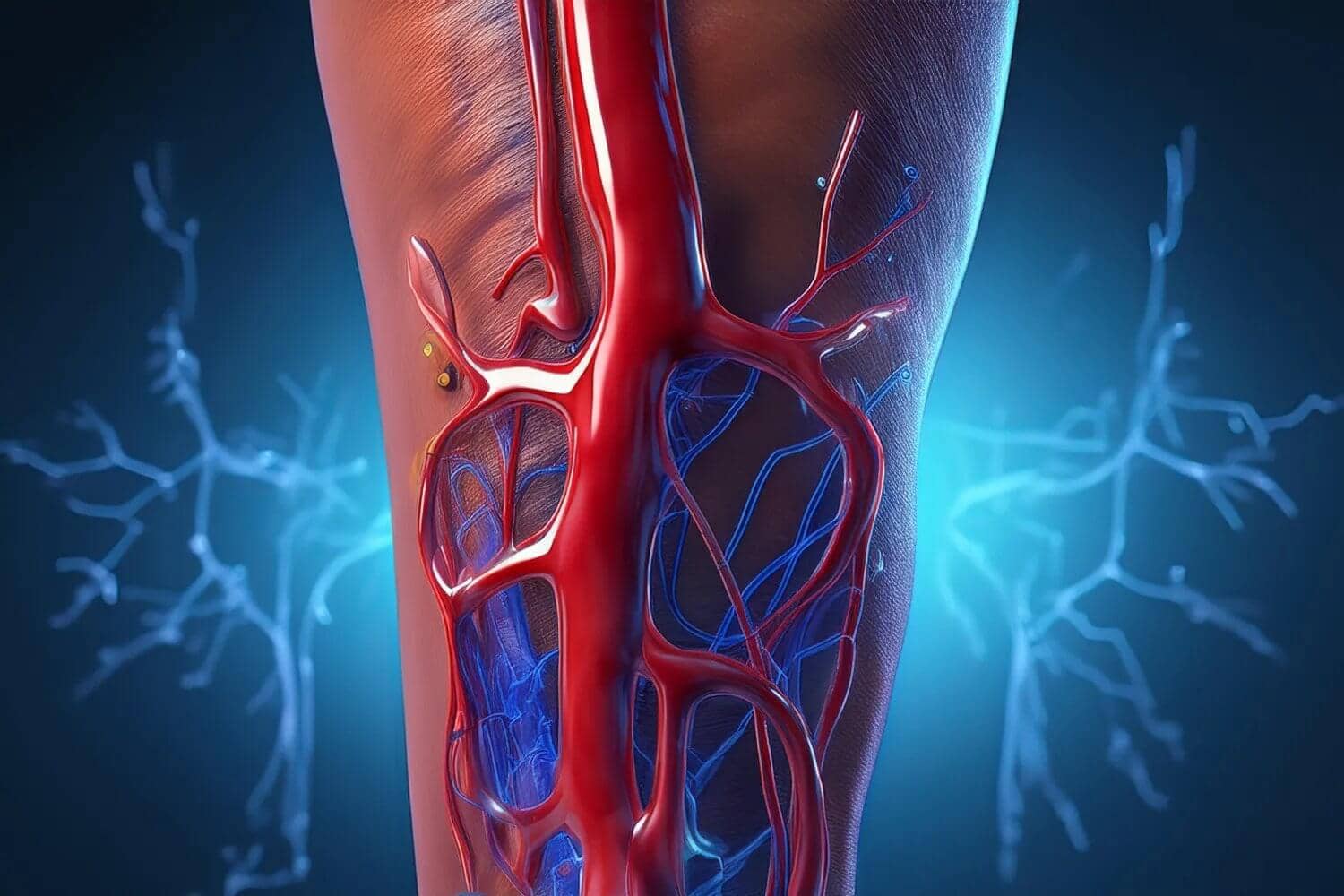
Conditions such as deep vein thrombosis (DVT) and pulmonary embolism (PE) can lead to serious complications and require immediate medical attention.
Understanding what causes blood clots and recognizing your personal risk factors can help you have informed conversations with your healthcare provider.
How Do Blood Clots Form?
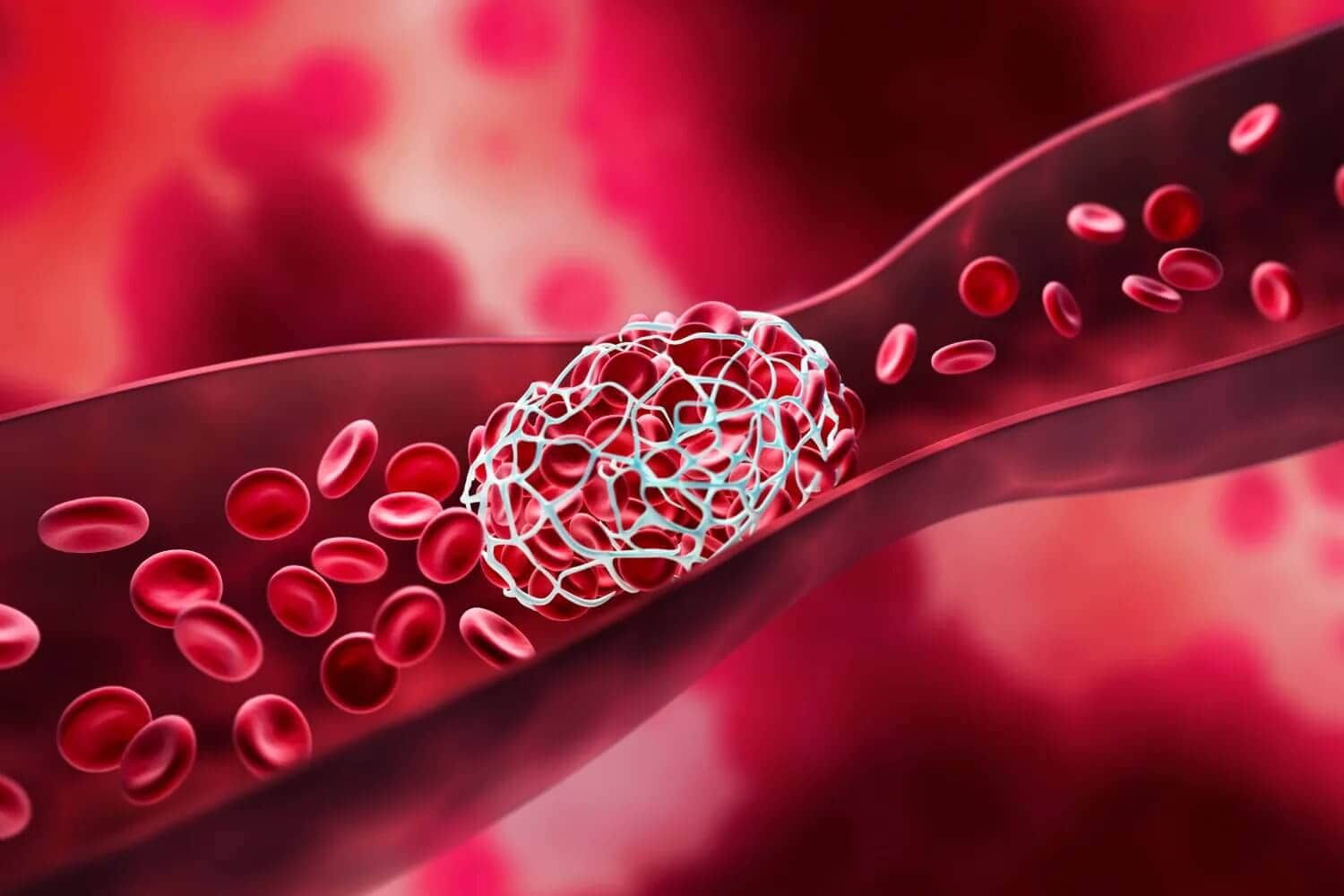
Under normal circumstances, blood clotting is a protective response. When a blood vessel is injured, platelets and special proteins gather at the site to create fibrin, a mesh-like substance that stabilizes the clot and helps stop bleeding.
Problems arise when clots form without a clear injury, develop in areas where they can obstruct blood flow, or don't naturally dissolve like they're supposed to.
That might sound like a lot can go wrong, but doctors actually rely on one simple framework to explain it. It's called Virchow's Triad, and the three major contributors are:
Blood flow stasis (slowed or stagnant circulation)
Blood vessel injury (damage to the vessel wall)
Hypercoagulability (an increased tendency for blood to clot)
Whether the blood clot becomes a serious concern or a temporary necessity largely depends on why the clot happened and what your body does next.
What Are the Main Risk Factors for Blood Clots?
Several causes of blood clots are widely recognized and understood, although many people underestimate their significance. Most blood clot risk factors fit into one or more of these categories.
Prolonged Immobility
Extended periods of sitting or bed rest can slow blood circulation, particularly in the legs. Examples include:
Long airplane flights
Extended car travel
Hospitalization
Recovery after illness
Reduced movement can increase the likelihood of clot formation in deep veins.
Surgery and Injury
Major surgery temporarily raises clotting risk due to tissue injury, inflammation, and reduced mobility during recovery. Orthopedic procedures involving the hips and knees are particularly associated with elevated risk.
Age
Blood clot risk increases with age, especially after age 60. Changes in circulation, medical conditions, and activity levels all contribute to this increased risk.
Obesity
Excess body weight is associated with increased inflammation and altered blood flow, which may contribute to increased venous thromboembolism risk.
Pregnancy and Postpartum Recovery
Pregnancy naturally shifts the body toward a more clot-prone state to help reduce bleeding during childbirth. Risk remains elevated for several weeks after delivery.
Smoking
Smoking can damage blood vessels and affect normal clotting processes, making it an important modifiable blood clot risk factor.
Hormonal Medications
Hormonal birth control and hormone replacement therapy may increase clotting risk in certain individuals, particularly when combined with other risk factors.
What Are Some Less-Common Risk Factors for Blood Clots?
The factors above tend to get most of the attention, but they're really only part of the picture. Several lesser-known contributors can substantially affect clotting risk, and many people have never heard of them.
Factor V Leiden and Other Genetic Mutations
One of the most common inherited clotting disorders is Factor V Leiden. This genetic mutation affects approximately 3-8% of people with European ancestry.
People with Factor V Leiden generally have blood that can clot more readily than normal. Another inherited condition, the prothrombin gene mutation, can also increase clotting tendency. The part that catches people off guard is that many people actually carry these genetic variants without even knowing it, until a clotting event occurs or testing is performed due to family history.
Antiphospholipid Syndrome
Antiphospholipid syndrome (APS) is an autoimmune disorder in which the immune system produces antibodies that affect normal clotting processes.
APS can significantly increase the likelihood of abnormal clot formation and is an important but often overlooked cause of hypercoagulability.
Cancer and Cancer Treatment
Cancer is one of the strongest acquired risk factors for blood clots. Certain cancers can alter clotting mechanisms, while chemotherapy, surgery, and other treatments may further elevate risk. In some cases, a blood clot may even be one of the first signs that an underlying form of cancer is present.
Chronic Inflammatory Conditions
Inflammation plays an important role in clotting biology. Research has found elevated venous thromboembolism risk among people with inflammatory conditions, such as:
Inflammatory bowel disease (IBD)
Rheumatoid arthritis (RA)
Psoriatic arthritis
A 2025 clinical trial highlighted the relationship between systemic inflammation and increased VTE risk, reinforcing the connection between chronic inflammatory disorders and abnormal clot formation.
Chronic Dehydration
Dehydration rarely acts alone, but it can contribute to conditions that favor clot formation. When the body lacks adequate fluid, blood may become more concentrated, and circulation may slow. During travel, illness, or prolonged inactivity, dehydration can compound existing risk factors.
Blood Type
People with non-O blood types (A, B, and AB) may have a somewhat higher likelihood of developing venous thromboembolism compared with those who have type O blood. Scientists believe differences in clotting-related proteins may explain this association.
History of COVID-19
COVID-19 highlighted the complex relationship between infection, inflammation, and clotting. The American Heart Association found that blood clot risk may remain elevated for months following COVID-19 infection , with some studies finding increased risk lasting nearly a year in certain populations.
Researchers continue to investigate the long-term implications of COVID-related clotting changes.
When To Talk to Your Doctor About Blood Clot Concerns
Blood clot symptoms should never be ignored. Possible signs of deep vein thrombosis (DVT) include:
Leg pain or tenderness
Swelling in one leg
Warmth in the affected area
Redness or discoloration
Possible signs of pulmonary embolism (PE) include:
Sudden shortness of breath
Chest pain
Rapid heartbeat
Lightheadedness
If you experience symptoms that may indicate a blood clot, seek immediate medical attention. This article is intended for educational purposes only and is not a substitute for professional medical evaluation.
Can Nattokinase Help With Blood Clots?
Nattokinase is an enzyme derived from fermented soybeans that has attracted scientific interest for its potential role in supporting the body's natural fibrin-clearing process.
Research suggests nattokinase may support healthy fibrinolysis, the normal biological process through which the body breaks down excess fibrin. A 2022 clinical study by Chen and colleagues evaluated data involving 1,062 participants and examined nattokinase's antithrombotic and hyperlipidemia properties.
Importantly, these findings do not establish nattokinase as a treatment for blood clots, DVT, pulmonary embolism, or clotting disorders.
Because nattokinase may have blood-thinning effects, it should not be combined with anticoagulant medications (such as warfarin, heparin, or DOACs) without physician guidance. Anyone with a history of blood clots or clotting disorders should consult their doctor before starting any new supplement.
The Bottom Line on Blood Clot Risk Factors
Blood clots typically develop when multiple factors combine, including slowed blood flow, blood vessel injury, and hypercoagulability. While common risk factors such as immobility, surgery, smoking, and aging are important, lesser-known contributors like Factor V Leiden, antiphospholipid syndrome, chronic inflammatory diseases, blood type, dehydration, cancer, and prior COVID-19 infection may also influence risk.
Blood clotting disorders can be serious and potentially life-threatening. Anyone concerned about their personal risk should discuss their medical history and symptoms with a qualified healthcare professional. Early awareness and an open conversation with your doctor remain the most important steps in understanding individual blood clot risk.
For more content around cardiovascular health and nattokinase, check out the rest of the Toku blog.
FAQs
What is the most common genetic cause of blood clots?
Factor V Leiden is the most common inherited clotting disorder, affecting approximately 3–8% of people with European ancestry. It causes the blood to clot more easily than normal. Most people with Factor V Leiden never develop a blood clot, but the mutation significantly raises risk when combined with other factors like immobility or surgery. Genetic testing is available through your physician.
Can dehydration cause blood clots?
Dehydration can thicken the blood and slow circulation, which may increase clotting risk — particularly during long flights or periods of illness. While dehydration alone is unlikely to cause a clot in a healthy person, it can compound other risk factors. Staying hydrated during travel and illness is a simple preventive step.
Are natural supplements a treatment for blood clots?
No. Dietary supplements, including nattokinase, are not replacements for anticoagulant medications prescribed for blood clot treatment or prevention. If you have been diagnosed with DVT, PE, or a clotting disorder, follow your physician's treatment plan. Supplements may interact with blood-thinning medications — always disclose everything you take to your doctor.
*These statements have not been evaluated by the FDA. This product is not intended to diagnose, treat, cure or prevent any disease. Keep out of reach of children. Consult with your physician before use if you are pregnant, nursing, have a medical condition, or taking anticoagulants. Discontinue use and consult with your health care professional if you experience any adverse reaction to this product.
Sources:
Blood clot risk remains elevated nearly a year after COVID-19 | American Heart Association
Blood Clotting Disorders: Types, Signs and Treatment | Cleveland Clinic
Deep vein thrombosis (DVT) - Symptoms & causes | Mayo Clinic