
Table of Contents
- What Is Non-HDL Cholesterol?
- How To Calculate Non-HDL Cholesterol
- Why Is Non-HDL More Helpful Than LDL?
- What Are Healthy Non-HDL Levels?
- Who Should Pay Special Attention to Their Non-HDL Cholesterol?
- How To Lower Non-HDL Cholesterol
- Can Nattokinase Support Healthy Cholesterol Balance?
- The Bottom Line on Lowering Non-HDL Cholesterol
- FAQs
Key Takeaways:
Non-HDL cholesterol measures all potentially atherogenic cholesterol particles, not just LDL. It’s calculated by subtracting HDL from total cholesterol.
Many experts consider non-HDL more informative than LDL in people with high triglycerides or metabolic syndrome. Non-HDL may help identify residual risk, even when LDL appears controlled.
Diet, exercise, smoking cessation, and physician-guided medications remain foundational for lowering non-HDL cholesterol.
For years, LDL cholesterol dominated most conversations about heart health. Newer research and updated cardiovascular guidelines increasingly recognize non-HDL cholesterol as an important marker. This is especially true for people with elevated triglycerides, metabolic syndrome, or residual cardiovascular risk.
In some situations, non-HDL cholesterol may provide a more complete picture of cardiovascular risk than LDL alone because it captures all potentially atherogenic cholesterol particles circulating in the bloodstream.
Understanding this marker can help you better interpret your lab results and have more informed conversations with your physician.
What Is Non-HDL Cholesterol?
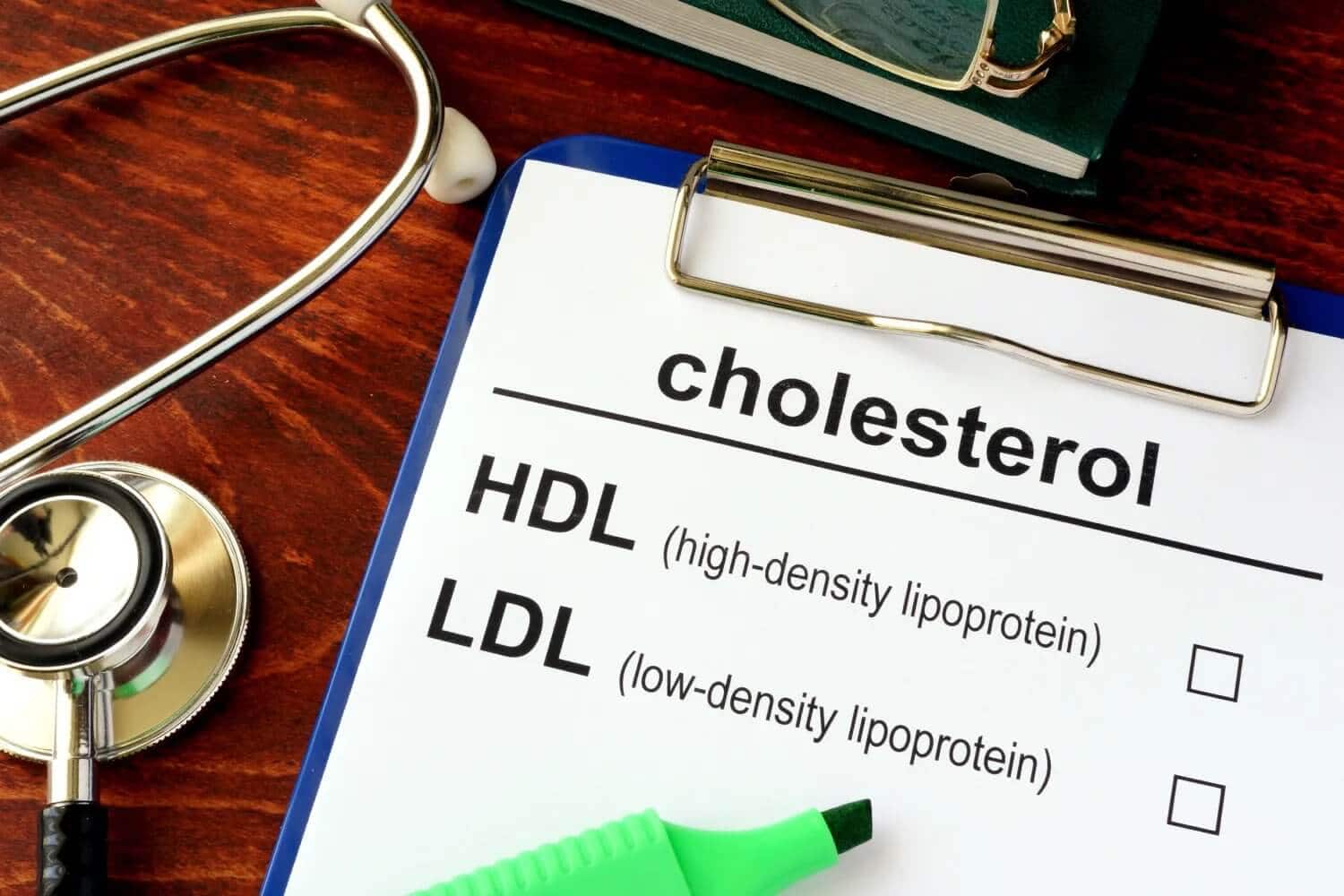
Non-HDL cholesterol is all the cholesterol in your body that isn't HDL cholesterol. That definition sounds simple because it is, but the value of the number comes from everything it captures. Unlike LDL cholesterol, which measures only low-density lipoproteins, non-HDL captures multiple cholesterol-containing particles associated with atherosclerosis risk.
Your total non-HDL cholesterol is composed of several different types of cholesterol:
LDL
VLDL (very low-density lipoprotein)
IDL (intermediate-density lipoprotein)
Chylomicron remnants
Other atherogenic lipoproteins
This number is important because it provides more of a tailored insight into the overall picture of your heart health.
How To Calculate Non-HDL Cholesterol
Non-HDL cholesterol is a very simple calculation that you can perform yourself, simply by looking at your comprehensive cholesterol panel.
Total Cholesterol - HDL Cholesterol = Non-HDL Cholesterol
For example:
Total cholesterol: 210 mg/dL
HDL cholesterol: 50 mg/dL
210 – 50 = 160 mg/dL non-HDL cholesterol
Non-HDL cholesterol does not require fasting in most cases. LDL calculations can become less accurate when triglycerides are elevated.
Non-HDL cholesterol avoids some limitations of "good cholesterol" calculations. That's why so many clinicians consider non-HDL a more reliable marker in patients with high triglycerides or metabolic dysfunction.
Why Is Non-HDL More Helpful Than LDL?
LDL is typically estimated using the Friedewald equation, which works well under normal conditions but becomes less accurate as triglycerides rise. Many people with insulin resistance, obesity, metabolic syndrome, or type 2 diabetes have elevated triglycerides, which can skew the accuracy of the equation.
Non-HDL cholesterol captures additional lipoproteins that LDL measurements may miss. These lipoproteins can indicate residual cardiovascular risk. Someone may still have elevated cardiovascular risk even when LDL cholesterol appears controlled, and the non-HDL information helps to fill in crucial knowledge gaps.
A large 2023 study published in The Lancet Regional Health examined 23,641 statin-treated patients and found that elevated non-HDL cholesterol remained associated with residual cardiovascular risk despite LDL management.
The 2025 AHA/ACC guideline updates and emerging research continue to move toward more comprehensive lipid assessment rather than relying solely on LDL.
What Are Healthy Non-HDL Levels?
Healthy non-HDL cholesterol levels depend on individual cardiovascular risk. The standard guidelines generally recommend the following levels for common risk groups:
Less than 130 mg/dL for the general population
Less than 100 mg/dL for people with cardiovascular disease or higher risk
Less than 85 mg/dL for very high-risk individuals
Your physician may interpret these values differently depending on factors including your family history, diabetes, triglyceride levels, or any cardiovascular ailments you're currently diagnosed with.
Who Should Pay Special Attention to Their Non-HDL Cholesterol?
Non-HDL cholesterol may be especially important for people in certain health groups. If any of the following apply to you, it's worth bringing this number up at your next appointment.
High Triglycerides
Elevated triglycerides can interfere with LDL calculation accuracy, making non-HDL more useful.
Metabolic Syndrome
People with abdominal obesity, insulin resistance, elevated triglycerides, and low HDL often have increased amounts of potentially dangerous atherogenic particles.
Type 2 Diabetes
Diabetes is frequently associated with elevated triglycerides and smaller, denser lipoprotein particles that contribute to cardiovascular risk.
Statin Users With Residual Risk
Some patients achieve target LDL levels but still show elevated non-HDL cholesterol or ApoB. This may indicate a persistent atherogenic particle issue despite treatment.
How To Lower Non-HDL Cholesterol
Improving non-HDL cholesterol typically involves the same evidence-based strategies used to support overall cardiovascular health.
Mediterranean-Style Diet
Research consistently supports Mediterranean-style dietary patterns for cardiovascular wellness. The Mediterranean diet isn't a fad diet, and it's not particularly restrictive. It's very easy to make or order a meal that fits perfectly within the Mediterranean diet's guidelines.
The core components of the Mediterranean diet are healthy foods that can easily be incorporated into your meal planning:
Vegetables
Fruits
Whole grains
Legumes
Olive oil
Fish
White meat poultry
Nuts and seeds
Reducing ultra-processed foods and excess saturated fat intake may also support healthier lipid levels. It's as simple as swapping fish and chips for grilled fish and roast potatoes. Swap your fried chicken sandwich for grilled chicken and vegetables on a whole-grain bun.
Increasing Fiber Intake
Soluble fiber may help support a healthy cholesterol balance. These excellent sources of fiber can easily be incorporated into your daily diet:
Oats
Barley
Psyllium
Beans
Lentils
Beta-glucan fiber from oats and barley has particularly strong research on cholesterol.
Exercise Regularly
Aerobic exercise may help support a healthy body weight, insulin response, and triglyceride balance. Most guidelines recommend at least 150 minutes of moderate exercise weekly.
Stop Smoking
Smoking contributes to vascular inflammation. Smoking cessation remains one of the most important cardiovascular health interventions available.
Medications
For many people at elevated cardiovascular risk, medications are the most useful solution for providing immediate relief. If your doctor suggests using a medication like a statin or statin alternative, you should follow your doctor's advice.
No dietary supplement should be viewed as a replacement for your physician's advice.
Can Nattokinase Support Healthy Cholesterol Balance?
Some people exploring supplemental lipid support consider ingredients with emerging cardiovascular and lipid research, including nattokinase and beta-glucan.
A 2022 study by Chen et al. involving 1,062 participants reported improvements in lipid-related markers after 12 months of nattokinase supplementation at 10,800 FU per day. 10,800 FU per day, when combined with 180 mcg of vitamin K2 MK7 saw the most significant improvements, and the same study showed that 3,600 FU of nattokinase daily didn’t move the needle.
Additionally, a May 2025 review published in Nutrients explored several proposed mechanisms behind nattokinase’s cardiovascular effects, including possible interactions involving HMG-CoA reductase activity. Researchers emphasized the need for additional study.
It’s best to combine evidence-based lifestyle habits with supplements as part of a broader cardiovascular wellness strategy.
The Bottom Line on Lowering Non-HDL Cholesterol
Many of the same evidence-based habits that support overall cardiovascular health may also help improve non-HDL cholesterol levels. Mediterranean-style eating habits, exercise, smoking cessation, fiber intake, and physician-guided care remain foundational.
Emerging research on ingredients like nattokinase and beta-glucan continues to generate interest in supplemental cardiovascular support, but supplements should always be viewed as part of a broader wellness strategy rather than standalone solutions.
If your lab results show elevated non-HDL cholesterol, speak with your physician about what those numbers mean for your individual cardiovascular risk profile and long-term health plan.
For more educational content around heart health, check out the rest of the Toku blog.
FAQs
What is a dangerously high non-HDL cholesterol level?
A non-HDL level above 190 mg/dL is considered very high and typically warrants medical evaluation. Levels between 130–190 mg/dL may require lifestyle changes, and those above 160 mg/dL are often considered elevated. Your physician will interpret your results in the context of your full cardiovascular risk profile.
Is non-HDL cholesterol the same as “bad cholesterol”?
Non-HDL includes LDL (bad cholesterol) plus other atherogenic particles like VLDL, IDL, and chylomicron remnants. It is a broader and often more complete measure of atherogenic particle burden than LDL alone.
Can you lower non-HDL cholesterol without medication?
Yes. In some cases, diet and lifestyle changes can meaningfully lower non-HDL cholesterol, especially when elevated triglycerides are a contributing factor. For people at high cardiovascular risk, medication is often needed alongside lifestyle changes. Speak with your physician about the right approach for your situation.
*These statements have not been evaluated by the FDA. This product is not intended to diagnose, treat, cure or prevent any disease. Keep out of reach of children. Consult with your physician before use if you are pregnant, nursing, have a medical condition, or taking anticoagulants. Discontinue use and consult with your health care professional if you experience any adverse reaction to this product.
Sources: