
Table of Contents
- What Is DVT?
- What Causes DVT?
- Who Is at Risk of DVT?
- What Are Some DVT Symptoms To Watch For?
- What Is a Pulmonary Embolism?
- How Is DVT Diagnosed and Treated?
- How Can You Prevent DVT?
- How Can Nattokinase Support Healthy Circulation?
- When Should You Talk to Your Doctor About DVT Symptoms?
- The Bottom Line on DVTs
- FAQs
Key Takeaways:
DVT forms through three core mechanisms, which are slowed blood flow, vessel injury, and an increased tendency to clot. Risk factors like immobility, surgery, age, and hormonal medications fall into one or more of these categories.
DVT can be asymptomatic, and when symptoms do appear, they require prompt medical evaluation. Untreated clots can break loose and cause a life-threatening pulmonary embolism.
Prevention strategies for DVT include staying active, hydrating, and maintaining a healthy weight.
Deep vein thrombosis (DVT) is a serious medical condition that affects hundreds of thousands of Americans each year. Estimates from the U.S. Centers for Disease Control and Prevention (CDC) show that around 900,000 people in the United States develop venous thromboembolism (VTE) annually, a condition that includes both DVT and pulmonary embolism (PE). Venous thromboembolism leads to an estimated 60,000-100,000 deaths each year.
Because DVT can sometimes develop with few or no symptoms, understanding the risks, warning signs, and prevention strategies is important. Most importantly, anyone experiencing symptoms of DVT or pulmonary embolism should seek immediate medical attention.
What Is DVT?
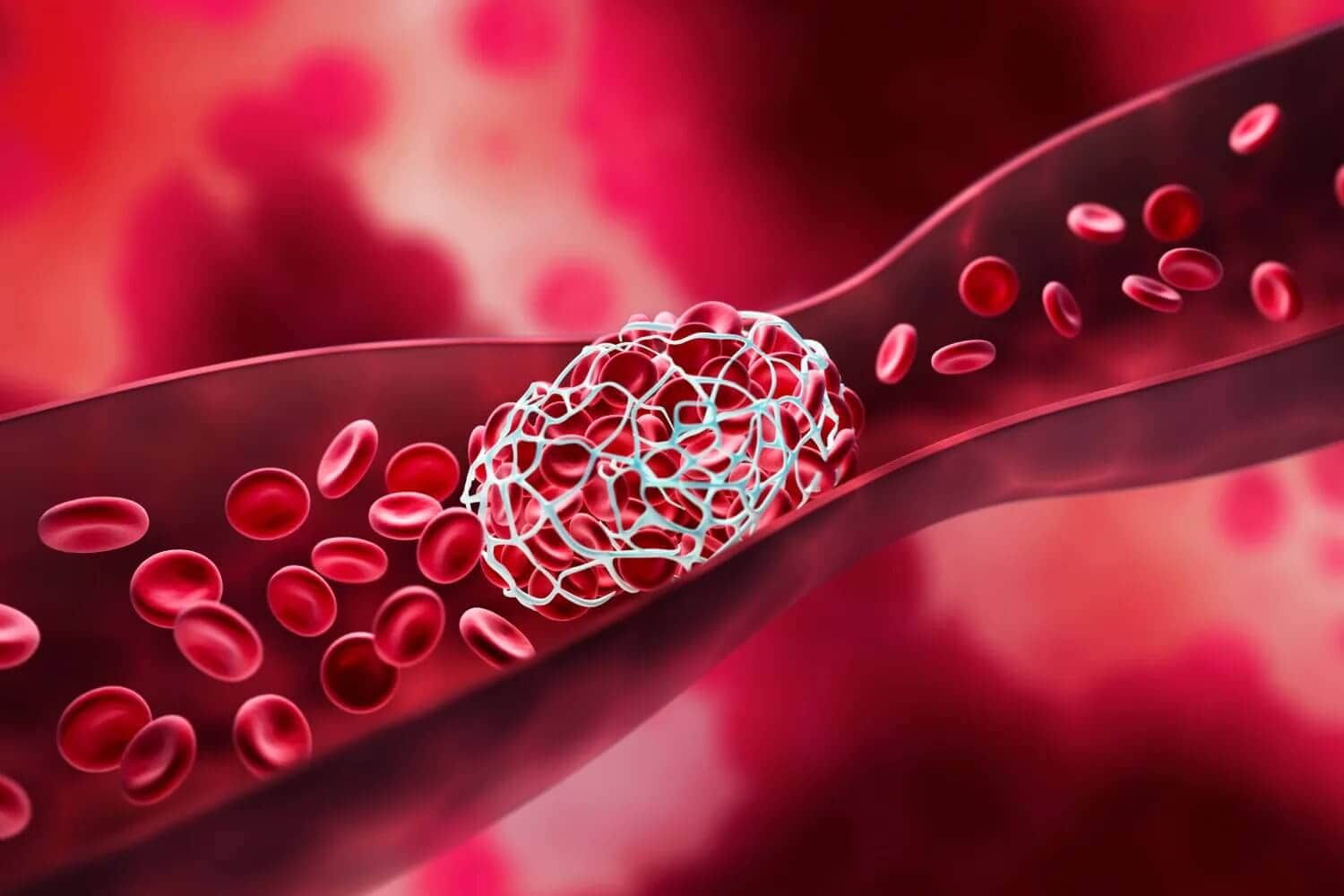
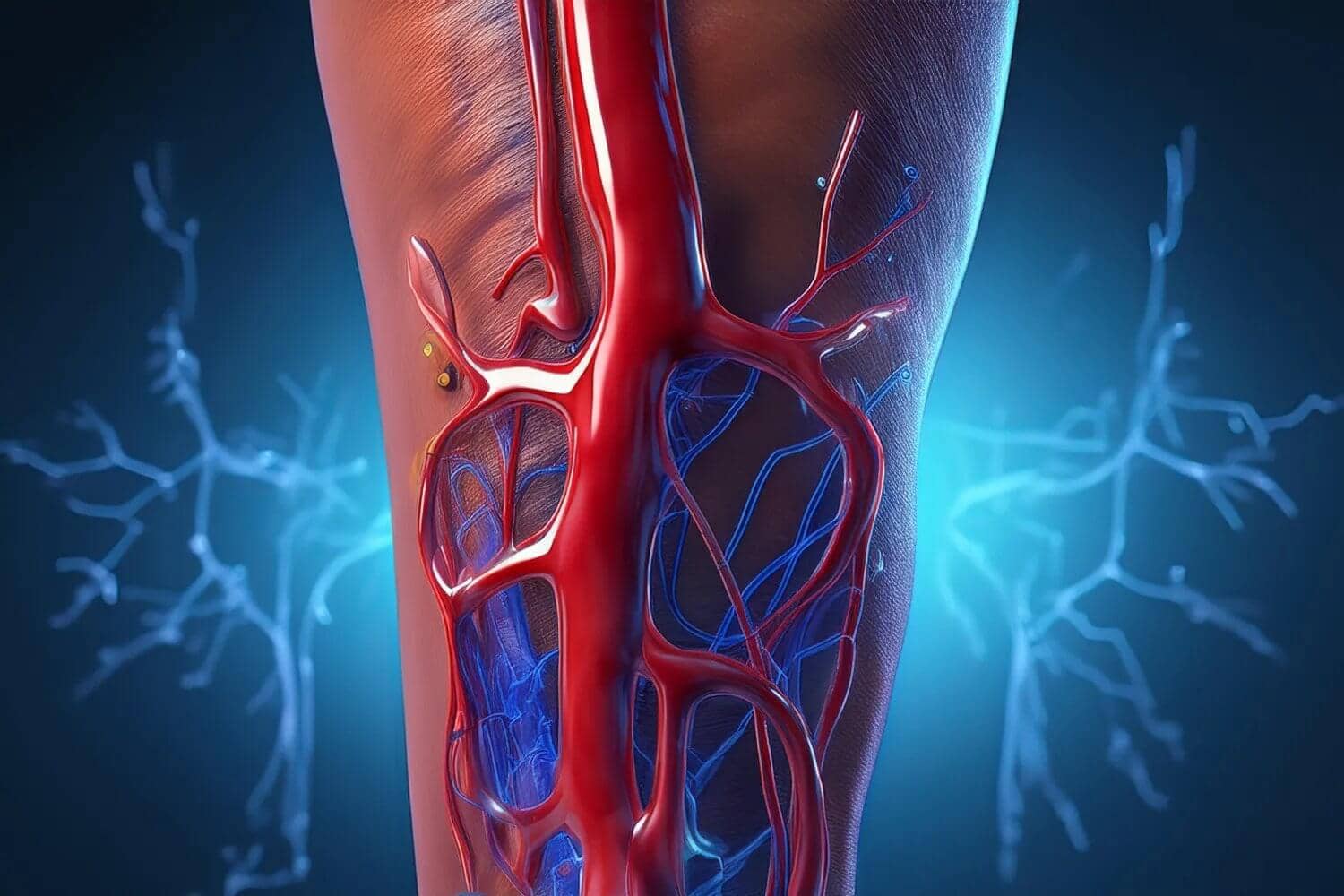
Deep vein thrombosis is the formation of a blood clot in a deep vein, most commonly in the legs. These clots typically develop in the calf, thigh, or pelvis, although they can also occur in the arms and, less commonly, in veins of the abdomen or brain.
DVT differs from superficial vein clots, which occur closer to the skin's surface and generally carry a lower risk of serious complications. The primary concern with DVT is that part of the clot can break away and travel through the bloodstream to the lungs, causing a pulmonary embolism.
Together, DVT and pulmonary embolism are referred to as venous thromboembolism (VTE).
What Causes DVT?
The list of DVT causes might seem a little overwhelming, but doctors generally explain it using one straightforward concept known as Virchow's Triad. It describes three major factors that contribute to clot formation.
1. Venous Stasis (Slowed Blood Flow)
When blood moves too slowly through the veins, clot formation becomes more likely. Common causes of venous stasis include:
Prolonged bed rest
Extended hospitalization
Long-distance travel
Sitting for many hours without movement
Paralysis or limited mobility
This is the most common type of blood clot because the risk factors are likely to occur in the average person. Working a desk job and taking a long road trip, for example, can both increase clotting risk.
2. Vascular Injury (Damage to Blood Vessels)
Injury to the lining of a vein can trigger the body's clotting response. Potential causes of vascular injury include:
Major surgery
Traumatic injuries
Fractures
Catheter placement
Significant inflammation
Patients receiving trauma or injury care, particularly those with extended recovery time, are often monitored for symptoms of these types of blood clots.
3. Hypercoagulability (Increased Clotting Tendency)
Some individuals have conditions that make their blood more likely to clot. Examples include:
Inherited clotting disorders
Certain cancers
Pregnancy
Hormonal medications
Autoimmune disorders
Chronic inflammatory diseases
If you're experiencing any of these conditions, your doctor already understands that your overall risk for blood clots is substantially higher than that of someone who is otherwise healthy.
In many cases, more than one element of Virchow's Triad is present at the same time.
Who Is at Risk of DVT?
DVT can occur in people of any age, but the risk increases significantly as people get older. The likelihood rises after age 40 and becomes highest after age 60.
Additional DVT risk factors include:
Previous DVT or pulmonary embolism
Family history of blood clots
Obesity
Pregnancy and the postpartum period (up to six weeks after delivery)
Active cancer
Recent surgery
Hospitalization
Long periods of immobility
Oral contraceptives
Hormone replacement therapy (HRT)
Smoking
Factor V Leiden mutation
Antiphospholipid syndrome
Inflammatory conditions
History of COVID-19 infection
Having one risk factor does not mean a person will develop DVT, but multiple risk factors can significantly increase risk.
What Are Some DVT Symptoms To Watch For?
Recognizing DVT symptoms quickly can be critical. Common symptoms include:
Leg pain or tenderness
Swelling in one leg
Warmth in the affected area
Redness or discoloration
Cramping, often in the calf
A feeling of heaviness in the leg
It’s important to know that DVT may be asymptomatic, meaning some people experience no obvious symptoms at all.
What Is a Pulmonary Embolism?
A pulmonary embolism occurs when a clot travels from a vein to the lungs. Possible symptoms include:
Sudden shortness of breath
Chest pain
Rapid heart rate
Lightheadedness
Fainting
Coughing, sometimes with blood
DVT and pulmonary embolism are medical emergencies. Anyone experiencing symptoms suggestive of DVT or PE should seek immediate emergency medical care.
How Is DVT Diagnosed and Treated?
Healthcare providers use several tools to evaluate suspected DVT. Common DVT diagnostic methods include:
D-dimer blood testing
Compression ultrasound
CT imaging in certain cases
Additional laboratory testing when appropriate
Standard medical management may involve anticoagulant medications such as:
Heparin
Warfarin
Direct oral anticoagulants (DOACs)
In certain severe situations, specialists may consider catheter-directed thrombolysis or other advanced interventions.
This information is provided for educational purposes only and should not be considered treatment advice. DVT requires evaluation and management by qualified healthcare professionals.
How Can You Prevent DVT?
The encouraging news is that many DVT prevention strategies are already within your control. Although not every case of DVT can be totally avoided, there are a few approaches that can help reduce risk in susceptible people.
Stay Active
Movement supports healthy circulation. Consider:
Walking regularly during long trips
Standing every 60-90 minutes when traveling
Performing calf exercises during prolonged sitting
Discuss Compression Stockings With Your Doctor
Medical compression stockings may be appropriate for some individuals, particularly during travel or after surgery.
Stay Hydrated
Adequate hydration supports normal circulation and overall cardiovascular health.
Avoid Prolonged Leg Crossing
Maintaining comfortable positioning and changing posture frequently may support healthy blood flow.
Maintain a Healthy Weight
Weight management may help reduce several cardiovascular risk factors associated with venous disease.
Avoid Smoking
Smoking is associated with increased vascular and clotting risks.
Plan Ahead for Surgery or Travel
Individuals with known risk factors should discuss preventive strategies with their physician before major surgery, hospitalization, or extended travel.
How Can Nattokinase Support Healthy Circulation?
Some people interested in cardiovascular wellness explore nattokinase for its fibrinolytic properties, which is the same mechanism studied in blood flow research.
A 2022 clinical study by Chen and colleagues evaluated evidence involving 1,062 participants and discussed nattokinase's potential antithrombotic and fibrinolytic activities. However, research in this area remains distinct from physician-directed management of DVT and pulmonary embolism.
Nattokinase may have blood-thinning effects and should not be combined with anticoagulant medications without physician guidance. It is not a treatment or preventive therapy for DVT or pulmonary embolism. Anyone experiencing symptoms of DVT or PE should seek immediate emergency medical care.
When Should You Talk to Your Doctor About DVT Symptoms?
Anyone experiencing symptoms of DVT or pulmonary embolism should seek immediate medical attention.
Individuals with known risk factors like prior blood clots, family history, surgery, cancer, pregnancy, or prolonged immobility should discuss those risks with their healthcare provider.
Early medical evaluation is essential whenever DVT is suspected.
The Bottom Line on DVTs
Understanding what DVT is, how it develops, and who is most at risk can help people recognize warning signs and seek timely medical care. Deep vein thrombosis is a serious condition because of its potential to progress to pulmonary embolism, which is a serious medical emergency that requires immediate intervention.
Knowing the symptoms, understanding risk factors, and discussing preventive measures with a healthcare provider are important steps toward protecting your vascular health. While some people explore supplements such as nattokinase as part of a broader cardiovascular wellness routine, DVT and pulmonary embolism risk management require care from your physician.
To learn more about heart health and general wellness, check out the rest of the Toku blog for more educational content.
FAQs
How do I know if I have DVT?
Common symptoms include pain, tenderness, swelling, warmth, and redness in one leg, most often in the calf. However, DVT can also be asymptomatic, meaning no obvious symptoms are present. If you suspect DVT, see a doctor promptly. A D-dimer blood test and ultrasound can confirm a diagnosis. Do not attempt to self-diagnose or self-treat.
Can DVT go away on its own?
Small blood clots may partially resolve without treatment, but DVT generally requires medical management with anticoagulants to prevent the clot from growing or breaking off into the lungs (pulmonary embolism). You should never assume a clot will resolve on its own. Always consult a physician.
Is nattokinase a treatment for DVT?
No. Nattokinase is a dietary supplement and is not a treatment for DVT or any clotting condition. DVT requires physician-managed anticoagulant therapy. Nattokinase has blood-thinning properties and must not be combined with anticoagulants without medical supervision. If you have been diagnosed with DVT, follow your doctor's prescribed treatment plan.
*These statements have not been evaluated by the FDA. This product is not intended to diagnose, treat, cure or prevent any disease. Keep out of reach of children. Consult with your physician before use if you are pregnant, nursing, have a medical condition, or taking anticoagulants. Discontinue use and consult with your health care professional if you experience any adverse reaction to this product.
Sources:
Data and Statistics on Venous Thromboembolism | CDC
Deep Vein Thrombosis (DVT) Causes | Stanford Health Care
Risk Factors for Blood Clots | CDC