
Table of Contents
- Can You Actually Reduce Arterial Plaque?
- What Dietary Changes Can Support Arterial Health?
- How Can Exercise Help With Arterial Plaque?
- Does Smoking Contribute to Arterial Plaque?
- When Is Medication Necessary for Arterial Plaque?
- What Supplements Have Cardiovascular Benefits?
- The Bottom Line on Reducing Plaque in Arteries
- FAQs
Key Takeaways:
Arterial plaque develops gradually through a process called atherosclerosis. Research suggests plaque progression may slow or stabilize through long-term lifestyle changes.
Mediterranean-style eating patterns are consistently linked to lower cardiovascular risk. Aerobic exercise, smoking cessation, and weight management remain foundational strategies.
Statins and other physician-guided therapies remain first-line approaches for people with significant cardiovascular risk.
Some supplements, including omega-3s, plant sterols, and nattokinase, have emerging cardiovascular research but are not treatments for arterial plaque.
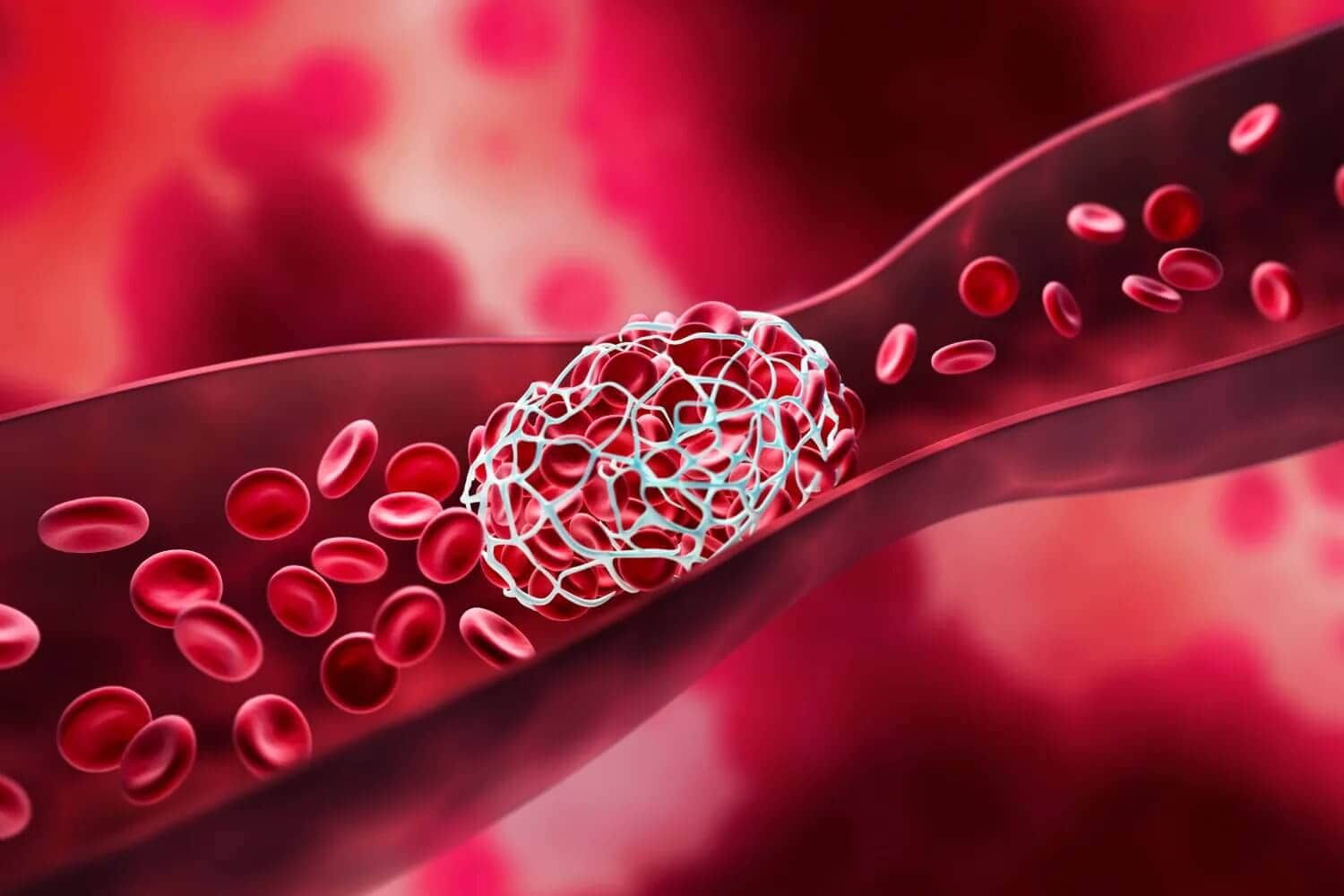
Arterial plaque is a buildup of cholesterol, fats, calcium, inflammatory material, and cellular waste inside artery walls. Over time, this buildup (known as atherosclerosis) can narrow blood vessels and reduce healthy blood flow. Arteries supply oxygen-rich blood throughout the body, and plaque accumulation may increase cardiovascular risk over time.
There is no quick way to “unclog” arteries. Plaque develops gradually over many years, and meaningful changes also take time. Research suggests that consistent lifestyle changes may help slow plaque progression, stabilize existing plaque, and, in some cases, contribute to modest regression.
Evidence-based strategies, including diet, exercise, smoking cessation, medical care, and heart-focused wellness habits, can make a measurable difference.
Can You Actually Reduce Arterial Plaque?
Yes, to a degree, but it requires sustained effort, and the timeline is longer than most people expect. One of the earliest landmark studies on plaque regression was completed in 1987. The outcome suggested that intensive cholesterol reduction was associated with measurable improvements in coronary artery narrowing. This helped shift the scientific conversation from simply slowing disease progression to the possibility of partial regression under certain conditions.
The Ornish Lifestyle Heart Trial, published in 1998, found that participants following a very low-fat vegetarian diet combined with exercise, stress management, and smoking cessation experienced measurable regression in coronary artery disease over time. These were intensive lifestyle interventions maintained consistently over several years.
More recent research, including meta-analyses published in the last decade, continues to support the idea that aggressive cardiovascular risk reduction may help stabilize plaque and reduce progression.
If you've ever wondered whether the choices you make today could actually change what's happening inside your arteries, the honest answer is: they can. Not overnight, but over time.
Plaque buildup does not disappear overnight, and lifestyle changes work best when maintained long term. For many people, physician-directed medical care remains an essential part of cardiovascular risk management.
What Dietary Changes Can Support Arterial Health?
The Mediterranean diet is consistently recommended by the American Heart Association for its potential cardiovascular benefits. This diet is more of a lifestyle, and it's surprisingly relaxed compared to most diet plans.
The simplicity makes it easier to commit to the Mediterranean diet long term, and most restaurants even offer multiple dishes that fit its parameters.
This eating pattern emphasizes:
Vegetables
Fruits
Beans and legumes
Whole grains
Olive oil
Nuts and seeds
Fish
Limited ultra-processed foods
Large cardiovascular studies have linked Mediterranean-style diets with lower rates of cardiovascular events. Harvard Health and other major institutions continue to highlight this dietary pattern because it has a long history of evidence supporting its use.
Research also suggests several specific nutritional strategies may support healthy cholesterol balance and vascular health:
Increase Soluble Fiber
Soluble fiber binds to cholesterol in the digestive tract and may help support healthy LDL levels. Foods rich in soluble fiber include:
Oats
Barley
Beans
Lentils
Apples
Psyllium
Beta-glucan, a fiber found in oats and barley, has been particularly well studied in cardiovascular nutrition research.
Reduce Excess Saturated Fat
While dietary debates continue, many cardiovascular guidelines still recommend moderating saturated fat intake, especially from highly processed foods and excessive fatty meat consumption.
Replacing some saturated fats with unsaturated fats from olive oil, nuts, seeds, and fish may better support cardiovascular health.
Consider Plant Sterols
Plant sterols and stanols are naturally occurring compounds that may help reduce cholesterol absorption in the digestive tract. They are often added to fortified foods and supplements designed for heart-conscious nutrition plans.
How Can Exercise Help With Arterial Plaque?
Regular exercise is vital for your overall health. You don't need a structured gym routine to benefit — what matters most is consistency and getting your heart rate up. In terms of specific benefits of exercise on arterial health, aerobic exercise is known to directly support:
Healthy blood pressure
HDL (“good”) cholesterol levels
Weight management
Blood sugar regulation
Vascular function
Most cardiovascular organizations recommend at least 150 minutes of moderate aerobic activity or 75 minutes of vigorous aerobic activity per week. Brisk walking and cycling are great examples of aerobic exercise that are easy to incorporate into your day. Just cycling to and from the store to grab a few pantry staples is productive and beneficial for your health.
Does Smoking Contribute to Arterial Plaque?
Smoking damages blood vessels and contributes to inflammation inside artery walls. It is one of the strongest modifiable risk factors associated with atherosclerosis progression.
Research shows smoking may promote plaque instability and lower your good cholesterol. The encouraging news is that quitting has measurable benefits, and they can begin sooner than most people realize. Many studies show improvements in vascular function begin relatively quickly after you quit.
When Is Medication Necessary for Arterial Plaque?
Lifestyle changes are powerful, but medications remain critically important for many individuals with elevated cardiovascular risk. This is worth saying plainly: lifestyle habits and supplements are not substitutes for medical care when your risk level calls for it.
Statins continue to be first-line therapies for people with significant plaque burden, elevated LDL cholesterol, or established cardiovascular disease. These medications have decades of clinical evidence supporting their cardiovascular risk-reducing effects.
Other physician-guided therapies may also be recommended depending on individual risk factors, including blood pressure medications, diabetes management, and antiplatelet therapies.
If you have concerns about arterial plaque, cholesterol, or a family history of heart disease, speak with your healthcare provider before making major changes to your health routine.
What Supplements Have Cardiovascular Benefits?
Several supplements have been studied for their potential to support cardiovascular health. None of them can replace a doctor's evaluation, but some do have promising research behind them that’s worth understanding.
Omega-3 Fatty Acids
Omega-3s from fish oil have been widely researched for cardiovascular support. Research suggests they may support healthy triglyceride levels and overall heart health when combined with a balanced lifestyle.
Plant Sterols
Plant sterol supplements and fortified foods may help support healthy cholesterol management as part of a heart-conscious diet.
Nattokinase
Nattokinase is an enzyme traditionally produced during the fermentation of soybeans into natto, though it's also available in soy-free forms. It has attracted attention in cardiovascular research because of its potential effects on circulation and vascular health markers.
Some people exploring supplemental cardiovascular support add nattokinase to their heart-healthy routine. However, supplements are not substitutes for medical evaluation or direct care from your doctor.
Interest in nattokinase has grown following emerging cardiovascular research, including a 2022 study by Chen et al. involving 1,062 participants.
In that study, researchers reported that 10,800 FU per day of nattokinase over 12 months was associated with effective management of atherosclerosis and hyperlipidemia. It had the biggest impact when paired with 180 mcg of vitamin K2, and a lower dose of 3,600 FU was proven ineffective. Researchers called for additional study, but the findings contributed to ongoing interest in nattokinase as part of broader cardiovascular wellness discussions.
In another study, nattokinase supplementation was also associated with a 36.6% reduction in carotid plaque size over 26 weeks.
Some people exploring supplemental cardiovascular support add nattokinase to their heart-healthy routine alongside diet, exercise, and physician-guided care.
The Bottom Line on Reducing Plaque in Arteries
Research consistently points toward long-term lifestyle habits as the foundation of cardiovascular health. There is no quick fix.
Mediterranean-style eating, regular aerobic exercise, smoking cessation, stress management, and listening to your doctor all play important roles in supporting healthy arteries over time.
Supplements such as omega-3s, plant sterols, and nattokinase are increasingly studied in cardiovascular research, but they should be viewed as part of a broader wellness strategy rather than as standalone solutions. Always talk to your doctor before starting a new heart health routine, especially if you're already under a doctor's care for your heart.
To learn more about heart health and the role of nattokinase, check out the rest of the Toku blog.
FAQs
Can diet alone reverse arterial plaque?
Research shows that intensive dietary and lifestyle changes can slow, stabilize, and in some cases partially reverse arterial plaque. The Ornish Lifestyle Heart Trial (1990) demonstrated regression in 82% of participants following a very low-fat vegetarian diet combined with exercise and stress management. Significant plaque burden often requires medical intervention alongside lifestyle changes. Talk to your doctor to come up with a tailored plan.
How long does it take to reduce arterial plaque?
Clinical studies showing measurable plaque regression typically run 12 months or longer. There is no quick fix. Plaque builds over years and responds to sustained, consistent lifestyle changes. Some studies show stabilization before regression.
Should I take supplements to help with arterial plaque?
Some supplements have research supporting cardiovascular health benefits, but none have been proven to treat, reverse, or prevent arterial plaque buildup in the way proven medications and lifestyle interventions can. Any supplement use should be discussed with your physician as part of a comprehensive heart health plan.
*These statements have not been evaluated by the FDA. This product is not intended to diagnose, treat, cure or prevent any disease. Keep out of reach of children. Consult with your physician before use if you are pregnant, nursing, have a medical condition, or taking anticoagulants. Discontinue use and consult with your health care professional if you experience any adverse reaction to this product.
Sources:
Can we reduce plaque buildup in arteries? | Harvard Health
Intensive lifestyle changes for reversal of coronary heart disease| PubMed