
Key Takeaways:
Aerobic exercise is one of the most effective natural circulation support strategies because it strengthens the heart and improves blood vessel flexibility
Hydration, a balanced diet, regular exercise, and stress management can all help support circulation and heart health
Toku Flow can be a great addition to your overall heart health management routine
Healthy blood flow helps deliver oxygen, nutrients, hormones, and immune cells throughout the body, supporting vital processes like cardiovascular function, cognitive clarity, and energy levels. When circulation is impaired, the effects are widespread.
The good news is that circulation responds well to consistent, everyday habits . Here’s what to know.
Exercise
Exercise can improve circulation in a few key ways, and it’s one of the best things you can do for your overall heart health.
Exercise strengthens the heart, improves arterial flexibility, increases oxygen utilization, and stimulates nitric oxide production. Nitric oxide is a signaling molecule that helps relax and widen blood vessels, improving vascular function.
Walking, cycling, swimming, rowing, dancing, and even brisk yard work all count as aerobic activity. The key is consistency, not just intensity. You don't need to start from zero and immediately start running on a treadmill. Even if you can only schedule 20 minutes a day for focused aerobic exercise at light to moderate intensity, you're still making a difference.
Maintain Proper Hydration
Blood is more than 90% water, and that fact alone explains why hydration influences circulation.
When you're dehydrated, your blood volume can decrease, and your blood viscosity can increase, making circulation less efficient. The heart may need to work harder to move blood through the body.
That's not to say that drinking massive amounts of water supports perfect circulation, as our bodies are a bit more complicated than that. Just make sure you’re getting water throughout the day.
Incorporate Nitrate-Rich Foods
Foods like beets, spinach, arugula, celery, and other leafy greens contain naturally occurring nitrates that the body can convert into nitric oxide. Nitric oxide helps relax blood vessels, improving vasodilation and blood flow.
This is why beet juice shows up so often in exercise performance research. If beets aren't your thing (fair enough), that's fine — spinach, arugula, and other leafy greens can get you to the same place.
Dark chocolate with high cocoa content is another option worth mentioning, too. Cocoa flavanols may support nitric oxide signaling and endothelial function, and unsweetened dark chocolate is a food you can feel good about eating every day.
Incorporate Omega-3 Fatty Acids
Omega-3 fatty acids have been extensively studied in cardiovascular research.
You'll find them in salmon, sardines, mackerel, anchovies, flaxseed, chia seeds, and walnuts, so there are plenty of ways for you to work them in regardless of your dietary preferences.
If you're considering omega-3 supplementation, it's worth a conversation with your healthcare provider first, especially if you're taking anticoagulants or other cardiovascular medications, since interactions are possible.
Avoid Smoking
Few lifestyle changes have a larger impact on circulation than quitting smoking.
Smoking damages blood vessels, reduces nitric oxide availability, increases oxidative stress, and impairs oxygen delivery throughout the body. Nicotine also causes blood vessel constriction, which can further reduce circulation efficiency.
It isn't a secret that smoking is highly damaging to your health and can have serious (even lethal) consequences. If quitting is something you've been putting off, there's no better time to start than now. Your cardiovascular system can begin recovering relatively quickly once you do.
Stress Management
When stress hormones like cortisol and adrenaline remain chronically elevated, blood vessels may constrict more frequently, heart rate can increase, and inflammatory signaling may rise. Chronic stress is very bad for your physical health.
Deep breathing exercises, mindfulness practices, meditation, walking outdoors, and stress-reduction strategies may indirectly support circulation by reducing sympathetic nervous system overactivation.
Breathing exercises are a fast reset you can use to get through a stressful moment until you're able to break away and make time to address your stress. Slow diaphragmatic breathing increases oxygen exchange efficiency and may support vascular relaxation by activating the parasympathetic nervous system.
While you're at it, consider making major lifestyle changes that will improve your quality of life. It's never a bad idea to remove constant sources of stress from your life when you can. If you're really unhappy with work or your landlord is giving you trouble, it may be worth finding a new position or a new apartment. Plan for long-term stress relief.
Get Regular Movement Throughout the Day
Even people who exercise regularly can experience circulation challenges from prolonged sitting.
Long periods of inactivity reduce venous return, particularly in the legs. This can contribute to stiffness, swelling, and feelings of sluggish circulation.
A few small habits can make a big difference:
Standing up every 30 to 60 minutes
Walking briefly after meals
Stretching the calves and hips
Elevating the legs periodically
Using compression garments when appropriate
Anyone experiencing persistent swelling, pain, numbness, or circulation concerns should consult a healthcare provider to rule out any serious concerns.
A Note on Supplementation
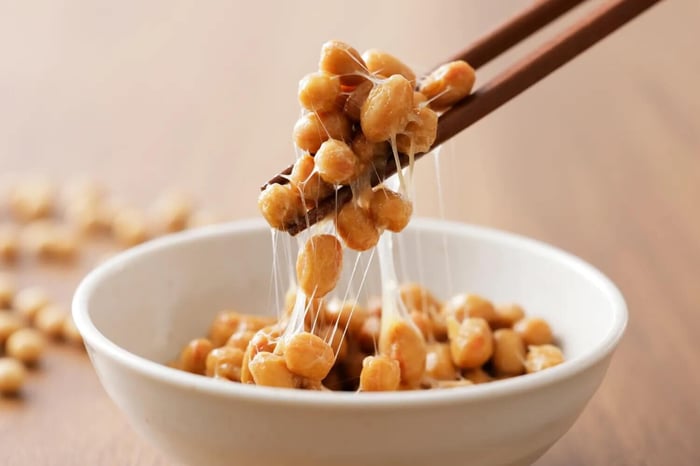
Nattokinase has been studied for its potential to support blood flow , promoting overall vascular wellness, supporting a healthy blood lipid balance, and potentially maintaining circulation-related pathways.
Toku Flow contains nattokinase and is designed to complement a healthy lifestyle and well-rounded approach to heart health — not to replace the habits above, and not to replace physician-directed care. Consult your doctor before adding any supplement, especially if you take blood thinners, anticoagulants, or other cardiovascular medications.
The Bottom Line on Improving Circulation
There are many evidence-backed habits to improve circulation that you can easily incorporate into your everyday life. Regular movement, aerobic exercise, hydration, nutritious food, stress management, and avoiding smoking can all support your circulation and heart health as a whole.
These methods work best together, and the cumulative effect on cardiovascular health may be far more meaningful when they are consistently combined over a long period of time as permanent lifestyle habits. Incorporating a supplement like Toku Flow can also add another layer of support to your daily routine.
FAQs
What are the main signs of poor circulation?
Cold hands and feet, swelling, tingling, muscle cramping, and fatigue are commonly associated with poor circulation. However, these symptoms can have many causes, so medical evaluation is important.
Can walking improve circulation?
Yes. Walking is one of the most evidence-backed ways to support healthy blood flow because it promotes vascular function, muscle activity, and cardiovascular conditioning.
Are there foods that improve blood flow naturally?
Research suggests nitrate-rich foods like beets and leafy greens, along with omega-3-rich foods and high-cocoa dark chocolate, may support circulation-related pathways.
Do supplements help circulation?
Some supplements, including nattokinase, are being studied for circulation-support mechanisms. However, supplements should complement healthy lifestyle habits and physician guidance, not replace them.
*These statements have not been evaluated by the FDA. This product is not intended to diagnose, treat, cure or prevent any disease. Keep out of reach of children. Consult with your physician before use if you are pregnant, nursing, have a medical condition, or taking anticoagulants. Discontinue use and consult with your health care professional if you experience any adverse reaction to this product.
Sources:
How to Improve your Blood Circulation Naturally | CardioVascular Health Clinic
Research Progress of Nattokinase in Reducing Blood Lipid | MDPI
The 13 Best Foods to Increase Blood Flow and Circulation | Healthline
10 Natural Ways to Improve Blood Circulation and Heart Health | AANMC