
Table of Contents
Key Takeaways:
Fibrinolysis is the body's natural process for breaking down fibrin, an important structural component of blood clots. Plasmin is the primary enzyme responsible for fibrin degradation within the body's natural fibrinolytic system.
Nattokinase is a fibrinolytic enzyme produced during the fermentation of soybeans (or chickpeas) into natto.
Research suggests certain supplemental enzymes may influence markers related to fibrinolysis, but evidence for clinical cardiovascular benefits remains limited.
Fibrinolytic enzyme supplements should not be used to self-treat a suspected blood clot or as replacements for prescribed anticoagulant or thrombolytic medications.
Fibrinolytic enzymes are enzymes the body makes or uses in the breakdown of fibrin, a protein that helps to form blood clots. Certain enzymes found in foods or dietary supplements, including nattokinase, are also described as fibrinolytic because they've demonstrated fibrin-degrading activity in laboratory and human research.
If you've seen nattokinase or other enzymes marketed for circulation or heart health, you're not wrong to wonder what "fibrinolytic" actually means, and whether it matters for you. Understanding what fibrinolysis actually means (and the differences between the enzymes involved) will help you make an informed decision regarding fibrinolytic supplements.
What Are Fibrinolytic Enzymes?
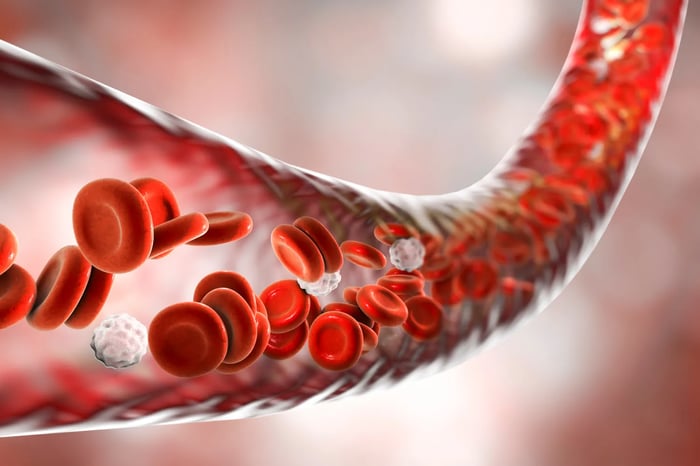
Fibrinolytic enzymes are enzymes that work to break down fibrin. When a blood vessel is injured, the body starts a clotting process to protect the injury and facilitate healing. Platelets gather at the injury, while the coagulation cascade ultimately converts fibrinogen into fibrin. Fibrin acts like a protective net, stabilizing the developing clot and helping stop bleeding.
Once the clot has served its purpose, the body needs a way to dismantle it. The dismantling process is fibrinolysis. The body's primary fibrinolytic enzyme is plasmin. Plasmin originates as an inactive precursor called plasminogen. Enzymes, including tissue plasminogen activator (tPA), help convert plasminogen into active plasmin, which can then break fibrin into smaller fragments called fibrin degradation products.
Other enzymes found in nature, such as nattokinase, also exhibit fibrin-degrading activity. They aren't identical to the enzymes your body makes, though, and they don't work in exactly the same way (more on that below).
What Are the Main Types of Fibrinolytic Enzymes?
Fibrinolytic enzymes can be naturally involved in human fibrinolysis as well as enzymes from foods, microorganisms, or supplemental products that demonstrate fibrin-degrading activity.
Plasmin
Plasmin is the central enzyme in human fibrinolysis. After being activated from plasminogen, plasmin breaks down the fibrin mesh holding a clot together. The activity of plasmin is regulated by several other substances in the body so that clot breakdown occurs when and where it is needed. In a healthy person, this system is self-regulating. It's designed to keep clotting and clot breakdown in balance without any outside help.
Nattokinase
Nattokinase is an enzyme produced by a beneficial form of bacteria called Bacillus subtilis during the fermentation of soybeans into natto, a traditional Japanese food. Nattokinase attracted scientific attention after researchers identified fibrinolytic activity associated with the enzyme. Subsequent laboratory, animal, and human studies have examined several possible mechanisms.
Research suggests nattokinase may directly degrade fibrin while also interacting with components of the body's fibrinolytic system. Human studies have also examined its effects on coagulation and fibrinolysis markers.
A small human study found that a single 2,000-FU dose of nattokinase produced measurable changes in several coagulation and fibrinolysis parameters over the following hours, although the measurements remained within normal ranges. The researchers emphasized that larger studies were needed to establish clinical relevance.
To be clear: evidence that nattokinase affects laboratory markers doesn't mean it can prevent or treat dangerous blood clots, and it doesn't make nattokinase a blood thinner. Nattokinase dietary supplements should never be substituted for prescribed cardiovascular treatment.
How Do Fibrinolytic Enzymes Work?
The science here can get technical pretty quickly, but the core idea is simpler than it might sound. Your body's natural plasmin works directly on the clot itself. It binds to the fibrin strands holding the clot together and cuts them into smaller fragments, gradually loosening the net until the clot dissolves.
Supplemental fibrinolytic enzymes aren't part of the body's naturally balanced blood clot management system, so they work a little differently. Nattokinase has demonstrated direct fibrin-degrading activity in experimental research. Researchers have also proposed indirect mechanisms involving plasminogen activator inhibitor-1 and the body's production or activity of endogenous fibrinolytic components. Scientists are still working to understand exactly how these mechanisms play out in the human body.
Potential Benefits of Fibrinolytic Enzymes
Your body needs its own naturally occurring fibrinolytic enzymes to survive. In the case of naturally occurring (also called endogenous) fibrinolytic enzymes, the most obvious benefit is that they're necessary to support a healthy life. Supplemental fibrinolytic enzymes have a slightly different purpose. Researchers have investigated supplemental fibrinolytic enzymes for several potential benefits, but research is still ongoing. Research into nattokinase as a wellness supplement is in early stages, but the findings so far are encouraging.
Supporting Normal Fibrinolytic Activity
Unsurprisingly, the biggest area of interest is fibrinolysis itself. Human studies suggest nattokinase can influence certain markers associated with coagulation and fibrinolysis.
A clinical study involving healthy adults found changes in factors like fibrin/fibrinogen degradation products and D-dimer after nattokinase supplementation. These findings provide evidence of biological activity, but they do not demonstrate that nattokinase prevents deep vein thrombosis, pulmonary embolism, stroke, or heart attack.
Cardiovascular Health
Some randomized clinical trials on nattokinase have examined its effects on blood pressure. A randomized, double-blind, placebo-controlled trial found reductions in systolic and diastolic blood pressure among participants receiving nattokinase compared with placebo.
Other trials, however, have not demonstrated significant improvements across a range of cardiovascular outcomes. That's why nattokinase shouldn't be treated as an alternative to established blood-pressure, cholesterol, anticoagulant, or cardiovascular therapies.
Circulation Research
"Supports circulation" is one of the most common claims you'll see on fibrinolytic enzyme supplements. Because fibrin and blood coagulation are closely connected with vascular function, the interest makes sense, but that phrase deserves a closer look. Although researchers have identified mechanisms through which enzymes such as nattokinase could influence fibrinolytic processes, research has not yet reached a definitive conclusion.
The Bottom Line on Fibrinolytic Enzymes
Fibrinolysis is an essential biological process that allows the body to break down fibrin after a clot has served its purpose. Plasmin performs the central role in this natural system, while enzymes such as nattokinase show promise due to their potential fibrinolytic properties.
Among supplemental enzymes, nattokinase has been investigated in laboratory studies and human clinical research, with evidence that it can influence certain coagulation, fibrinolysis, and cardiovascular biomarkers.
If you're considering a fibrinolytic enzyme supplement, the most important thing to understand is the difference between promising biological activity and proven clinical benefit. Toku Flow provides standardized nattokinase as part of a wellness routine, and it's designed to complement your care, not replace your doctor, your labs, or any prescribed treatment plan.
FAQs
What is the body's main fibrinolytic enzyme?
Plasmin is the primary enzyme responsible for breaking down fibrin in the human body. It is produced when the inactive precursor plasminogen is activated as part of the body's regulated fibrinolytic system, the process that manages blood clots.
Is nattokinase a fibrinolytic enzyme?
Yes. Nattokinase is an enzyme produced during natto fermentation that has demonstrated fibrin-degrading activity. Human studies have also found that nattokinase can affect coagulation and fibrinolysis markers, although its clinical benefits require further research.
Can fibrinolytic enzymes dissolve blood clots?
The body's own fibrinolytic system participates in breaking down fibrin, but dietary supplements should not be used to treat an existing or suspected blood clot. Dangerous clots such as DVT or pulmonary embolism require medical diagnosis and appropriate treatment.
Can you take fibrinolytic enzymes with blood thinners?
Combining a fibrinolytic supplement like nattokinase with anticoagulant or antiplatelet medication may increase concerns about bleeding or interactions. Speak with the healthcare professional managing your medication before using nattokinase or another fibrinolytic supplement.
*The information provided in this article is for educational and informational purposes only and is not intended as health or medical advice. Always consult a physician or other qualified health provider regarding any questions you may have about a medical condition or health objectives. This content has not been evaluated by the Food and Drug Administration and is not intended to diagnose, treat, cure, or prevent any disease.
Sources:
A single-dose of oral nattokinase potentiates thrombolysis and anti-coagulation profiles | PubMed
Fibrinolysis: an illustrated review | PubMed
Effects of nattokinase on blood pressure: a randomized, controlled trial | PubMed
Nattokinase: A Promising Alternative in Prevention and Treatment of Cardiovascular Diseases | PMC