
Key Takeaways:
Traditional nattokinase is made from fermented soybeans and may contain soy protein residues. If you have a soy allergy, standard nattokinase products should generally be avoided unless cleared by a physician.
Soy-free formulations exist, using alternative fermentation substrates like chickpeas, and third-party testing is the most reliable way to verify those claims.
"Soy-free" doesn't mean risk-free for everyone. Rare reactions to the enzyme itself have been documented, so anyone with a history of severe or multiple food allergies should consult a physician or allergist first.
Nattokinase is traditionally made from fermented soybeans, which naturally raises an important question for people with soy allergies: Is nattokinase safe to take if you react to soy?
While traditional nattokinase products may pose a risk for soy-allergic individuals, newer soy-free formulations are designed to avoid that soy-protein risk. Here's what you need to consider before you use nattokinase with a soy allergy.
Where Does Nattokinase Come From?
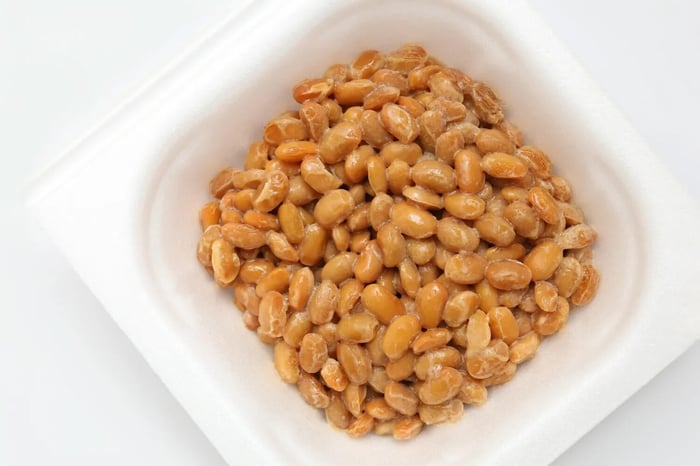
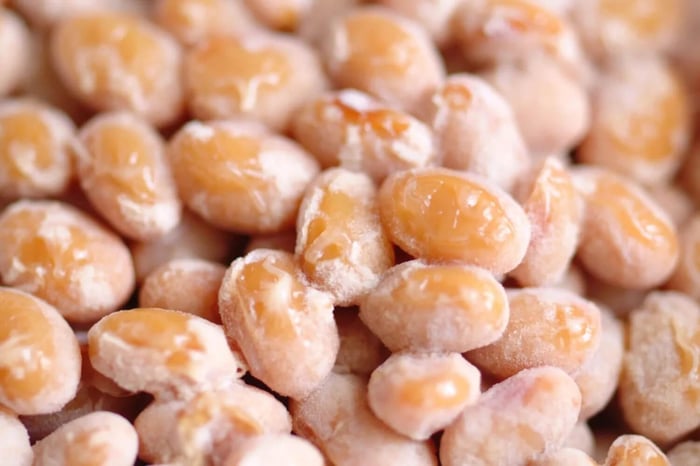
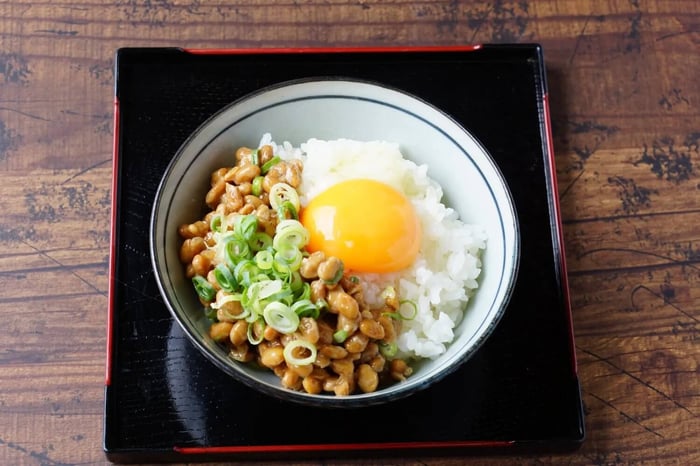
Nattokinase is an enzyme produced during the fermentation of soybeans using a bacterium called Bacillus subtilis natto. The resulting food, natto, has been consumed in Japan for centuries. Nattokinase is derived from this process.
Depending on manufacturing and purification methods, soy protein residues may remain in the final product. Even very small protein residues can trigger allergic reactions in sensitive individuals. If you have a known soy allergy, it’s generally not worth the risk to consume traditional nattokinase.
Is Traditional Nattokinase Safe for Soy Allergies?
If you have a confirmed soy allergy, traditional soy-derived nattokinase should generally be avoided, unless specifically cleared by your physician or allergist.
Some nattokinase products advertise themselves as “low soy” or “purified,” but that doesn’t necessarily eliminate the risk of an allergy. For people with mild sensitivities, the risk profile may differ from that of someone with severe IgE-mediated soy allergy or prior anaphylaxis.
Non-Soy Allergy Risk
Rare reactions may occur to the enzyme or fermentation-related compounds independently of soy protein exposure . These cases appear uncommon. It's important to remember that “soy-free” doesn’t automatically mean “risk-free” for every individual.
People with histories of severe food allergies, multiple allergies, mast cell disorders, or prior unexplained supplement reactions should approach nattokinase cautiously and under physician guidance.
How Is Soy-Free Nattokinase Made?
Instead of fermenting soybeans, some companies use alternative fermentation substrates, such as chickpeas. This works because nattokinase is produced by the Bacillus subtilis bacteria itself. The substrate is simply the bacteria's food source, rather than a component of the enzyme. Whether the bacteria are fed soy or chickpeas, the nattokinase they produce is chemically identical. Switching the substrate removes the soy allergen risk without changing what nattokinase actually does.
This approach may significantly reduce soy-related concerns, especially when paired with rigorous third-party testing.
Toku Flow Spotlight
Toku Flow uses a specialized chickpea-based fermentation process rather than traditional soybean fermentation. Toku Flow is tested by FDA-registered, ISO 17025-accredited labs via Light Labs — including for allergens like soy — with every batch result published on our website.
Individuals with severe allergies should consult their physician or allergist before starting any new supplement, including soy-free nattokinase formulations.
The Bottom Line on Nattokinase and Soy Allergy Safety
Traditional nattokinase and soy allergy concerns are closely connected because the enzyme has historically been produced through soybean fermentation. If you have a soy allergy, this poses a problem.
Luckily, soy-free nattokinase formulations, like ours at Toku Health , now exist — and they’re made through chickpea fermentation to fit a wider range of diets. Try Toku Flow for soy-free heart health support.
FAQs
Can I take nattokinase if I have a soy allergy?
It depends on the product. Traditional nattokinase is derived from fermented soybeans and may contain soy protein residues that can trigger reactions. However, some products are produced through alternative fermentation using chickpeas and are verified soy-free by third-party testing. Always consult your physician or allergist before starting any new supplement.
Is a soy-free nattokinase supplement guaranteed safe for all soy allergies?
A verified soy-free product significantly reduces soy-related risk. However, rare documented cases of allergic reactions to nattokinase have been reported in individuals without soy allergies, suggesting that the enzyme itself can occasionally trigger reactions. Anyone with a history of severe allergies should consult a physician or allergist before use.
How do I know if a nattokinase supplement is truly soy-free?
Look for: a soy-free fermentation source stated on the label (e.g., chickpeas), third-party testing documentation, and a published Certificate of Analysis. Marketing claims alone are not sufficient verification.
These statements have not been evaluated by the FDA. This product is not intended to diagnose, treat, cure or prevent any disease. Keep out of reach of children. Consult with your physician before use if you are pregnant, nursing, have a medical condition, or taking anticoagulants. Discontinue use and consult with your health care professional if you experience any adverse reaction to this product.
Sources:
Nattokinase: A Promising Alternative in Prevention and Treatment of Cardiovascular Diseases | PMC
Nattokinase Supplements Review & Top Picks | ConsumerLab.com