
Table of Contents
Key Takeaways:
Nattokinase is a naturally occurring enzyme produced during the fermentation of soybeans into natto.
Research suggests nattokinase may support healthy fibrinolysis, circulation, and cardiovascular wellness, but more high-quality human studies are needed. Nattokinase is not approved by the FDA for diagnosing, treating, curing, or preventing any disease.
Because nattokinase has blood-thinning effects, it should not be combined with anticoagulants or antiplatelet medications without physician supervision.
People who are pregnant, breastfeeding, have bleeding disorders, or are preparing for surgery should consult their healthcare provider before using nattokinase.
Nattokinase is an enzyme derived from natto, a traditional Japanese food made by fermenting soybeans with Bacillus subtilis. It's been a staple of Japanese cuisine for centuries — and over the last few decades, the enzyme it produces has become one of the most researched ingredients in the cardiovascular supplement space.
If you're considering nattokinase, the most useful thing you can do is go in with a clear understanding of both sides: what the research supports, and where some caution is warranted. This article covers both.
What Is Nattokinase?
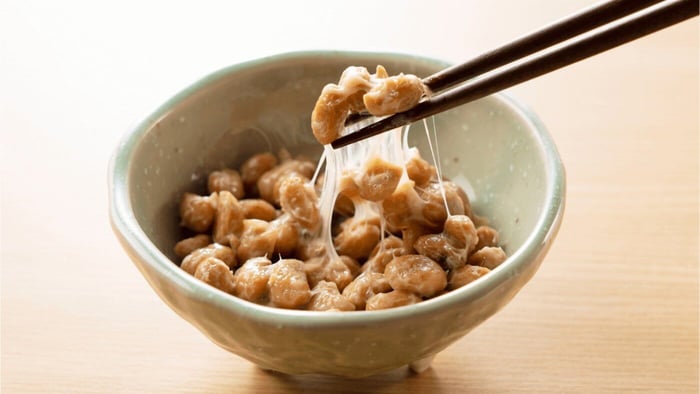
Nattokinase is a serine protease enzyme produced when the bacterium Bacillus subtilis ferments soybeans into natto. Japanese researcher Dr. Hiroyuki Sumi first isolated the enzyme in the 1980s while studying compounds involved in fibrinolysis.
Since then, nattokinase has become one of the most extensively researched enzymes in the dietary supplement industry. Nattokinase has the potential to provide significant supportive benefits.
Here’s why researchers are so interested in it: laboratory studies suggest nattokinase may support the body's natural ability to break down fibrin, a protein involved in normal blood clot formation. This process, known as fibrinolysis, is an important part of wound healing and cardiovascular health.
Unlike prescription anticoagulants or thrombolytic medications, nattokinase is sold as a dietary supplement. That distinction is important. Dietary supplements are regulated differently from prescription drugs and are not required to undergo the same pre-market clinical testing for safety and effectiveness.
While natto itself has been safely consumed for centuries, it’s worth knowing that isolated nattokinase supplements continue to be studied. Like with any supplement, product quality, ingredient sourcing, and manufacturing standards can vary between brands, so it’s important to choose products that are manufactured under rigorous quality standards.
What Are the Potential Benefits of Nattokinase?
Research into nattokinase continues to expand. While many findings are encouraging, scientists also emphasize that additional large, long-term human studies are needed before stronger conclusions can be made.
May Support Healthy Fibrinolysis
The most extensively studied property of nattokinase is its potential role in supporting healthy fibrinolysis.
Laboratory and early clinical research suggest nattokinase may influence proteins involved in the body's natural fibrin turnover. Some studies have reported measurable increases in fibrinolytic activity following supplementation, with biological effects lasting several hours after a single dose.
These findings have generated considerable scientific interest because healthy fibrinolysis is one component of normal cardiovascular function. However, researchers continue to investigate how these biological effects translate into long-term clinical outcomes.
Nattokinase should not be viewed as a substitute for formal medical treatment of blood-clotting disorders or other cardiovascular conditions.
May Support Healthy Blood Pressure
Several randomized clinical trials have examined nattokinase's relationship with blood pressure.
Some studies have observed modest improvements in systolic and diastolic blood pressure among participants taking nattokinase compared with placebo. Analysis notes combining multiple studies have also suggested small favorable effects of nattokinase, although results vary between trials due to differences in study design, dosage, participant populations, and duration.
While these findings are encouraging, the evidence remains limited, and larger clinical trials are needed to better understand nattokinase's role in supporting cardiovascular wellness.
Anyone with high or low blood pressure should continue following their healthcare provider's recommendations rather than relying on dietary supplements alone.
Emerging Research on Cholesterol and Cardiovascular Wellness
Current evidence suggests nattokinase may play a supportive role within a broader cholesterol and cardiovascular wellness strategy, but more high-quality research is needed before firm conclusions can be reached.
Some studies have investigated the effects of nattokinase, combined with ingredients such as red yeast rice, and have reported improvements in certain cholesterol measurements. However, because multiple ingredients were used together, it is difficult to determine how much of the observed effect was attributable to nattokinase alone.
Research evaluating nattokinase alone has produced mixed results.
Preliminary Research in Other Areas
Scientists continue to investigate nattokinase for a variety of additional applications.
Laboratory and animal studies have explored topics including:
Healthy aging
Cognitive health
Inflammation
Vascular function
While these studies are scientifically interesting, most remain preclinical or involve small human populations. Findings from laboratory experiments do not necessarily translate into meaningful health outcomes in people.
A larger volume of clinical trials will be needed before researchers can fully determine whether these early observations have practical significance.
What Are the Potential Side Effects of Nattokinase?
Although nattokinase is generally well tolerated in clinical studies, no supplement is completely without risk. Understanding the potential risks of nattokinase can help you decide whether supplementation is appropriate for your individual situation.
Increased Bleeding Risk
The most important safety consideration involves nattokinase's effects on healthy fibrinolysis.
Because nattokinase has blood-thinning properties, combining it with anticoagulants or antiplatelet medications (including warfarin, apixaban, rivaroxaban, clopidogrel, or even regular aspirin) may increase the risk of excessive bleeding.
Individuals taking medications that affect blood clotting should never begin nattokinase without discussing it with their healthcare provider.
Low Blood Pressure
Individuals who naturally have low blood pressure or who take medications for hypertension should use caution.
Although research suggests nattokinase may support healthy blood pressure, excessive reductions could contribute to symptoms such as:
Dizziness
Lightheadedness
Fatigue
Fainting
If these symptoms occur, stop using nattokinase and speak to your healthcare provider.
Allergic Reactions
Because most nattokinase supplements are produced from fermented soybeans, individuals with soy allergies should carefully review ingredient labels.
Toku Flow uses fermented chickpeas instead of soy as the fermentation substrate, eliminating the risk of allergens for people allergic to soy. Anyone with food allergies should still review product ingredients carefully and consult their healthcare provider before beginning supplementation.
Digestive Effects
Some individuals report mild digestive symptoms during the first few days of supplementation, including:
Mild stomach discomfort
Nausea
Temporary bloating
These effects are generally uncommon and often improve as the body adjusts, although persistent symptoms should be evaluated by a healthcare professional.
Who Should Avoid Nattokinase?
Nattokinase may not be appropriate for everyone. Speak with your healthcare provider before using nattokinase if you:
Take anticoagulant or antiplatelet medications.
Have a bleeding disorder.
Have an upcoming surgery or dental procedure.
Are pregnant or breastfeeding.
Have significantly low blood pressure.
Have experienced unexplained bleeding episodes.
Many healthcare providers recommend discontinuing nattokinase approximately 7 to 14 days before surgery, although the exact timing should always follow your surgeon's recommendations.
What Are Some Tips for Safe Nattokinase Use?
If your healthcare provider determines nattokinase is appropriate for you, several best practices may help promote safe supplementation.
Follow the manufacturer's recommended serving size.
Take the supplement consistently rather than sporadically.
Inform all healthcare providers that you use nattokinase.
Watch for unusual bruising or bleeding.
Discuss any planned surgeries or dental procedures well in advance.
Never discontinue prescribed cardiovascular medications without your physician's guidance.
Because cardiovascular health is influenced by many factors (including blood pressure, cholesterol, exercise, nutrition, smoking status, sleep, and family history), supplements are best utilized as one part of an overall wellness strategy.
The Bottom Line on Nattokinase Safety
Nattokinase has become one of the most widely studied enzymes for cardiovascular wellness, with research suggesting it may support healthy fibrinolysis, circulation, and overall heart health. At the same time, scientists continue to emphasize that many areas of research remain preliminary, and larger clinical trials are needed to better understand its long-term effects and optimal use.
Like any dietary supplement, nattokinase offers both potential benefits and important safety considerations. Because it has blood-thinning effects, it should be used carefully and only under the guidance of a qualified healthcare provider if you take medications that affect clotting or have an existing medical condition.
If you’re seeking proactive nutritional support, a high-quality nattokinase supplement may be a valuable addition to an overall heart-healthy lifestyle that includes regular physical activity, nutritious eating, routine medical care, and management of other cardiovascular risk factors.
For more educational content around nattokinase, check out the rest of the Toku blog.
FAQs
Is nattokinase safe?
Current research suggests nattokinase is generally well tolerated in healthy adults when used as directed. However, it may not be appropriate for everyone, particularly individuals taking blood-thinning medications or those with bleeding disorders. Always consult your healthcare provider before starting supplementation.
Can you take nattokinase every day?
Many clinical studies have evaluated daily supplementation, but the appropriate dosage depends on your individual health history. Discuss long-term use with your healthcare provider.
Who should not take nattokinase?
People taking anticoagulants or antiplatelet medications, individuals with bleeding disorders, those preparing for surgery, and anyone who is pregnant or breastfeeding should consult their healthcare provider before taking nattokinase.
*These statements have not been evaluated by the FDA. This product is not intended to diagnose, treat, cure or prevent any disease. Keep out of reach of children. Consult with your physician before use if you are pregnant, nursing, have a medical condition, or taking anticoagulants. Discontinue use and consult with your health care professional if you experience any adverse reaction to this product.
Sources:
Nattokinase: An Oral Antithrombotic Agent for the Prevention of Cardiovascular Disease | PMC
A single-dose of oral nattokinase potentiates thrombolysis and anti-coagulation profiles | PMC
Nattokinase: An Oral Antithrombotic Agent for the Prevention of Cardiovascular Disease | PMC
Effects of nattokinase on blood pressure: a randomized, controlled trial | PubMed