
Table of Contents
- Why Does Timing Matter for Nattokinase?
- Should You Take Nattokinase on an Empty Stomach?
- What Are the Morning Benefits of Nattokinase?
- What Are the Benefits of Taking Nattokinase Before Bed?
- Should You Take Nattokinase Twice Per Day?
- Should You Take Nattokinase With Other Supplements?
- Are There Any Safety Considerations for Nattokinase?
- The Bottom Line on Nattokinase Timing
- FAQs
Key Takeaways:
Nattokinase is generally best taken on an empty stomach, either 30-60 minutes before eating or at least two hours after a meal.
Morning nattokinase dosing offers convenience and supports consistent daily use.
Taking nattokinase before bed may better align peak enzyme activity with the body's natural morning increase in clotting activity.
Consistency with nattokinase is ultimately more important than the exact time of day.
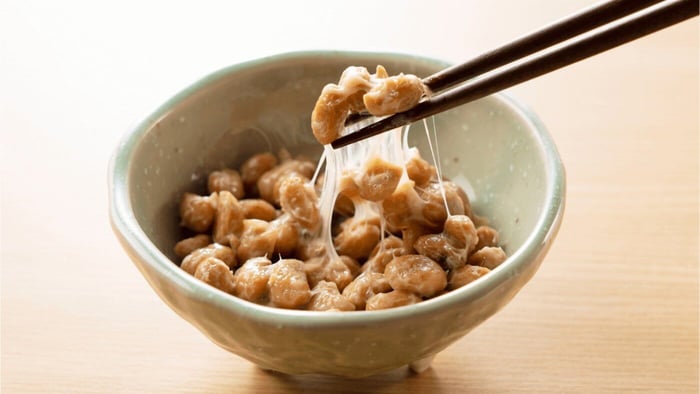
Nattokinase is a naturally occurring enzyme extracted from natto, a traditional Japanese food made from fermented soybeans. The growing scientific interest surrounding nattokinase is centered on its ability to support the body's natural fibrin turnover and healthy blood flow and circulation. If you want to experience the potential benefits of nattokinase, when should you take it?
There isn't a single answer that applies to everyone, but timing does matter for your nattokinase dose. Here’s what to keep in mind.
Why Does Timing Matter for Nattokinase?
Unlike vitamins that are stored in the body, nattokinase works as an active enzyme after it is absorbed into the bloodstream. Research suggests its fibrinolytic activity can begin within a few hours after ingestion, with biological effects lasting for much of the day.
Timing also matters for absorption. An empty stomach reduces competition with dietary proteins and digestive enzymes, giving more of the enzyme a clear path to the bloodstream. Although research is still evolving, most manufacturers and clinicians recommend taking nattokinase consistently at roughly the same time every day to establish a dependable routine.
Should You Take Nattokinase on an Empty Stomach?
For most people, yes. The general guideline is 30 to 60 minutes before eating, or at least two hours after your last meal… and that applies whether you're taking it in the morning or at night.
This recommendation applies whether you choose to take it in the morning or at night.
If you find that taking supplements on an empty stomach causes discomfort, that's worth flagging with your healthcare provider. Some people find it easier to maintain consistency with a light meal, even if absorption may be slightly reduced. Getting your dose in every day matters more than trying to perfectly optimize every single variable.
What Are the Morning Benefits of Nattokinase?
Many people prefer taking nattokinase immediately after waking, and for good reason. This approach is pretty easy to remember, it naturally coincides with the pre-breakfast window, and it slots cleanly into most people's existing supplement routines.
Morning supplementation may also complement the body's normal circadian rhythm. Cardiovascular events such as heart attacks and ischemic strokes occur more frequently during the early morning hours, partly because natural fibrinolytic activity decreases while certain clot-promoting factors increase.
Taking nattokinase first thing in the morning allows enzyme activity to rise during the day while helping establish a consistent daily habit. Since consistency is one of the most important factors for supplementation, many users find morning dosing easier to maintain over the long term.
What Are the Benefits of Taking Nattokinase Before Bed?
Research has shown that nattokinase's biological activity can persist for many hours after ingestion. Some evidence suggests that peak fibrinolytic effects occur several hours after dosing.
The body's production of plasminogen activator inhibitor-1 (PAI-1), a protein that slows the breakdown of fibrin, typically rises during the early morning hours. Taking nattokinase before bed may position the enzyme to be most active precisely when the body's own fibrinolytic defenses are at their lowest.
Another advantage of taking your daily dose at bedtime is practicality. Many people have not eaten for several hours before going to sleep, making it easier to take nattokinase on an empty stomach without adjusting meal schedules.
If you like a snack before bedtime or if you go to sleep shortly after dinner, nighttime nattokinase may not be the best option for you.
Should You Take Nattokinase Twice Per Day?
Generally speaking, no. In fact, splitting your nattokinase dose may actually work against you.
Nattokinase stays bioactive in the body for an extended period after ingestion, and taking a second dose before the first one has cleared isn't adding much. More importantly, the strongest clinical evidence for cardiovascular benefits comes from a single daily dose of 10,800 FU. Splitting that into two smaller doses may reduce the potency of each, potentially leaving you below the threshold where meaningful effects have been observed.
Ideally, take your full dose once a day and let it do its job.
Should You Take Nattokinase With Other Supplements?
Nattokinase is commonly paired with ingredients that support cardiovascular wellness, but timing can matter.
For example, some people separate nattokinase and serrapeptase by at least two hours. Since both are proteolytic enzymes, spacing them apart may reduce competition during absorption.
Vitamin K2 is another ingredient frequently combined with nattokinase. While vitamin K2 supports healthy calcium metabolism, it does not cancel out nattokinase's fibrinolytic activity. These ingredients work through distinct biological pathways and are often combined in comprehensive cardiovascular supplements.
Some supplements can cause conflicts with other supplements or with prescription medications. You should always talk to your doctor before adding new supplements to your routine, especially if you're already taking daily prescription medications.
Are There Any Safety Considerations for Nattokinase?
Although nattokinase is available as a dietary supplement, it has measurable biological activity pertaining to cardiovascular health and blood clots, and it should be used responsibly.
Speak with your healthcare provider before taking nattokinase if you:
Take anticoagulants such as warfarin.
Take antiplatelet medications such as clopidogrel.
Regularly use aspirin or other medications that affect blood clotting.
Have a diagnosed bleeding disorder.
Have low blood pressure.
Are pregnant or breastfeeding.
Have an upcoming surgical or dental procedure.
Nattokinase may have blood-thinning effects. Many healthcare providers recommend discontinuing its use 7 to 14 days before surgery, although the appropriate timing should always be determined by your physician.
Nattokinase should not be combined with anticoagulant medications without medical supervision due to the potential for increased bleeding risk.
The Bottom Line on Nattokinase Timing
The best time to take nattokinase depends on your schedule, health status, and ability to take it consistently. Most experts recommend taking it on an empty stomach, either first thing in the morning or before bed, to support optimal absorption. Morning dosing offers convenience, while nighttime dosing may align enzyme activity with the body's natural early morning changes in fibrinolysis.
Regardless of when you choose to take it, consistency is the key to long-term supplementation. It matters more that you’re using nattokinase every day, allowing for a consistent flow of support to achieve long-term benefits. If you have cardiovascular disease, take anticoagulant medications, have a bleeding disorder, or are preparing for surgery, consult your healthcare provider before using nattokinase.
For more educational content around nattokinase and your heart health, check out the rest of the Toku blog.
FAQs
Is it better to take nattokinase in the morning or at night?
Both options can be appropriate. Morning dosing is convenient and easy to remember, while bedtime dosing may better align nattokinase's activity with the body's natural morning changes in fibrinolysis. The most important factor is taking it consistently.
Can I take nattokinase with food?
Most manufacturers recommend taking nattokinase on an empty stomach. Take nattokinase about 30 to 60 minutes before eating or at least 2 hours after a meal to support optimal absorption. If you experience stomach discomfort, discuss alternative timing with your healthcare provider.
Can I take nattokinase if I use blood thinners?
Do not begin taking nattokinase if you use anticoagulants or other blood-thinning medications unless your healthcare provider specifically approves it. Combining these products may increase the risk of bleeding.
*These statements have not been evaluated by the FDA. This product is not intended to diagnose, treat, cure or prevent any disease. Keep out of reach of children. Consult with your physician before use if you are pregnant, nursing, have a medical condition, or taking anticoagulants. Discontinue use and consult with your health care professional if you experience any adverse reaction to this product.
Sources:
Nattokinase: A Promising Alternative in Prevention and Treatment of Cardiovascular Diseases | PMC
Why are heart attacks more common in the morning? | Harvard Health