
Table of Contents
Key Takeaways:
Nattokinase is an enzyme with fibrinolytic activity, while vitamin K2 is an essential nutrient involved in activating vitamin K-dependent proteins.
Nattokinase has been studied for cardiovascular wellness. Human studies have investigated its effects on blood pressure, fibrinolysis, lipid measurements, and other cardiovascular markers.
Vitamin K2 helps activate matrix Gla protein (MGP). This vitamin K-dependent protein is involved in regulating calcium deposition in vascular tissues.
Toku Flow combines soy-free nattokinase with vitamin K2 as part of a daily dietary supplement designed to support cardiovascular wellness.
Nattokinase and vitamin K2 are often discussed together in conversations about cardiovascular wellness, but they play very different roles in the body. Nattokinase is a fibrinolytic enzyme originally identified in natto, the traditional Japanese fermented soybean food. Vitamin K2 is a fat-soluble vitamin involved in activating proteins that help regulate where calcium is used and stored in the body.
That distinction is what makes the combination interesting. Rather than doing the same job, nattokinase and vitamin K2 support different aspects of cardiovascular health. Nattokinase has been researched for its effects on fibrin, circulation, blood pressure, and cardiovascular markers, while vitamin K2 plays an established biological role in activating proteins involved in normal blood clotting and calcium metabolism.
What To Know About Nattokinase
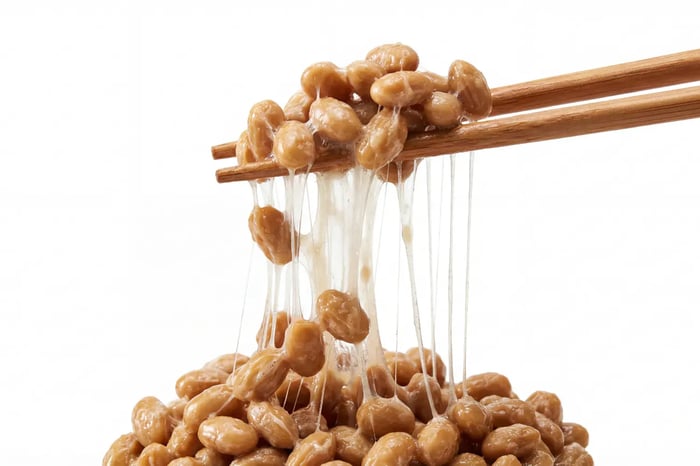
Nattokinase was originally isolated from a traditional Japanese food called natto, which is produced by fermenting soybeans with a healthy type of bacteria called Bacillus subtilis.
Nattokinase is recognized for its fibrinolytic activity. Fibrin is a protein involved in blood clot formation. The body normally maintains a balance between creating fibrin when clotting is necessary and breaking it down afterward through fibrinolysis.
Laboratory and human studies suggest that nattokinase can influence several components involved in fibrinolysis and coagulation. A double-blind, placebo-controlled crossover study involving 12 healthy young men examined the effects of a single dose of nattokinase. Researchers observed temporary changes in several coagulation and fibrinolysis measurements during the hours following supplementation.
Several clinical studies have investigated nattokinase's relationship with blood pressure. In one randomized, double-blind, placebo-controlled trial, adults with untreated prehypertension or stage 1 hypertension received nattokinase daily for eight weeks. Researchers reported modest reductions in systolic and diastolic blood pressure compared with placebo.
These findings have helped establish nattokinase as an interesting area of cardiovascular research, although larger and more comprehensive clinical trials are still needed.
What Is Vitamin K2?
Vitamin K is an essential fat-soluble vitamin that the body needs to facilitate healthy blood clotting. Vitamin K isn't a single compound. Vitamin K1, or phylloquinone, is abundant in leafy green vegetables. Vitamin K2 refers to a group of compounds known as menaquinones. Different forms of K2 are designated according to the length of their side chains, such as MK-4 and MK-7. Vitamin K2 is found in certain animal foods and fermented foods. Natto is particularly notable because it naturally contains high amounts of MK-7.
Why Combine Nattokinase and Vitamin K2?
The appeal of combining nattokinase and vitamin K2 comes from their complementary biological roles. The body often requires synergy to make two things reach their ultimate potential, like how calcium is best utilized with vitamin D to promote absorption. Nattokinase and vitamin K2 create a necessary harmony that contributes to balanced blood clotting behavior.
Nattokinase research primarily focuses on fibrin, fibrinolytic activity, circulation, blood pressure, and related cardiovascular measurements. Vitamin K2 is vital in the activation of proteins involved in normal coagulation and calcium regulation.
Together, they provide two distinct approaches to cardiovascular nutritional support rather than simply delivering two ingredients intended to perform the same function.
This also reflects the nutritional composition of natto itself. Traditional natto naturally provides both nattokinase and vitamin K2. Modern supplements can separate and standardize these components, allowing specific amounts of each ingredient to be included in a formula.
Does Vitamin K2 Make Nattokinase Safer?
Nattokinase's fibrinolytic activity and vitamin K's role in normal coagulation are not opposite switches that cancel each other out. Adding vitamin K2 does not mean someone can safely take nattokinase with anticoagulant or antiplatelet medication without medical supervision.
The combination also does not eliminate nattokinase's potential bleeding considerations. People taking aspirin, antiplatelet medications, anticoagulants, or other medications affecting normal coagulation should speak with their healthcare provider before taking nattokinase.
Vitamin K2 introduces another medication consideration. Warfarin and related vitamin K antagonist medications work specifically by interfering with vitamin K-dependent clotting factors. Significant changes in vitamin K intake can therefore alter their anticoagulant effect. Someone taking warfarin should not begin a vitamin K2 supplement without discussing it with the clinician responsible for managing their anticoagulation.
What To Know About Nattokinase, K2, and Arterial Health
Researchers have investigated nattokinase for effects on measurements including blood pressure, lipids, arterial stiffness, and carotid intima-media thickness. Rather than showing results that are simply mixed, the evidence actually increasingly points to dose being the deciding factor.
A three-year randomized controlled trial involving 265 adults without clinical cardiovascular disease compared 2,000 FU of nattokinase daily with a placebo. Researchers did not find significant differences in the progression of carotid intima-media thickness, arterial stiffness, blood pressure, or the laboratory measurements evaluated.
In contrast, Chen et al. (2022), which is the largest published human nattokinase study to date, followed 1,062 participants for 12 months and found that a higher dose of 10,800 FU per day was associated with a significant improvement in lipid profile. This included reductions in total cholesterol, triglycerides, and LDL-C, along with a 15.8% increase in HDL-C.
The study also reported a significant reduction in carotid artery intima-media thickness and plaque size at this dose, whereas a lower dose of 3,600 FU per day did not produce any meaningful effects. Plus, co-administration of vitamin K2 alongside nattokinase produced a synergistic effect, with participants who took both showing improved outcomes compared to taking nattokinase alone.
Rather than saying nattokinase and K2 remove arterial plaque, current evidence supports describing them as nutrients of interest in ongoing cardiovascular research. The available data do suggest, however, that dose and combination with K2 may meaningfully influence outcomes, and researchers continue to observe how nattokinase and vitamin K2 interact with the body.
Our Approach at Toku Health
Toku Flow brings nattokinase and vitamin K2 together in a daily cardiovascular wellness formula.
Toku Flow provides 10,800 FU of soy-free nattokinase. The formula also includes vitamin K2 to support normal vitamin K-dependent processes involved in cardiovascular and bone health. The combination is designed around complementary support rather than treating nattokinase and K2 as interchangeable ingredients.
Nattokinase provides fibrinolytic enzyme activity, while vitamin K2 supports the activation of proteins involved in normal calcium metabolism. Toku Flow also includes beta-glucan, creating a multi-ingredient approach to daily cardiovascular wellness.
Toku Flow is a dietary supplement, not a medication. It should complement a heart-conscious lifestyle that includes appropriate nutrition, exercise, regular health screenings, and medical treatment when necessary. Anyone taking cardiovascular medications like anticoagulants, antiplatelet medications, or vitamin K antagonists, such as warfarin, should talk to their healthcare provider before incorporating new supplements into their wellness routine.
The Bottom Line on Nattokinase and Vitamin K2
Nattokinase and vitamin K2 are valuable together because they support different aspects of cardiovascular wellness. Nattokinase has been investigated for its fibrinolytic activity, blood-pressure effects, and other cardiovascular measurements, while vitamin K2 supports the activation of proteins involved in normal blood clotting and calcium metabolism.
The combination is scientifically promising, but claims should remain proportional to the available evidence. Current research does not establish nattokinase and K2 as treatments for arterial plaque, hypertension, blood clots, or cardiovascular disease.
For people interested in incorporating both into a cardiovascular wellness routine, Toku combines 10,800 FU of soy-free nattokinase with vitamin K2 and beta-glucan in one daily dietary supplement. Always talk with your healthcare provider before starting nattokinase or vitamin K2 if you take medications or have an existing health condition. Never stop or modify prescribed cardiovascular medication without medical guidance.
FAQs
Can you take nattokinase and vitamin K2 together?
Nattokinase and vitamin K2 are commonly combined in dietary supplements and are both naturally associated with natto. They perform different biological functions, making them complementary ingredients. However, people taking medications that affect clotting should discuss the combination with a healthcare provider first.
Why is vitamin K2 added to nattokinase supplements?
Vitamin K2 supports the activation of vitamin K-dependent proteins, including matrix Gla protein, which participates in normal regulation of calcium in vascular tissues. Nattokinase is studied primarily for fibrinolytic activity and other cardiovascular markers. Combining them provides nutritional support through different biological pathways.
Who should be careful with nattokinase and K2?
People taking anticoagulants, antiplatelet medications, regular aspirin, or other medications affecting clotting should talk with their healthcare provider before taking nattokinase. People taking warfarin or another vitamin K antagonist require particular caution with vitamin K2 because changing vitamin K intake can interfere with anticoagulant management. Pregnant or breastfeeding individuals and people preparing for surgery should also seek medical guidance before supplementation.
*The information provided in this article is for educational and informational purposes only and is not intended as health or medical advice. Always consult a physician or other qualified health provider regarding any questions you may have about a medical condition or health objectives. This content has not been evaluated by the Food and Drug Administration and is not intended to diagnose, treat, cure, or prevent any disease.
Sources:
Effects of nattokinase on blood pressure: a randomized, controlled trial | PubMed
A single-dose of oral nattokinase potentiates thrombolysis and anti-coagulation profiles | PubMed
Effects of nattokinase on blood pressure: a randomized, controlled trial | PubMed
Nattokinase atherothrombotic prevention study: A randomized controlled trial | PubMed
The biological responses of vitamin K2: A comprehensive review | PMC