
Table of Contents
Key Takeaways:
- Nattokinase is an enzyme produced when soybeans are fermented with Bacillus subtilis natto. Researchers study it for its fibrinolytic activity, meaning its ability to break down fibrin, a protein involved in blood clot formation.
- A randomized, double-blind, placebo-controlled North American trial associated 8 weeks of nattokinase consumption with reduced blood pressure. The trial was small, and the reductions were modest.
- Most blood pressure studies used the equivalent of 2,000 to 4,000 fibrinolytic units (FU) daily. A separate clinical study of people at risk of heart disease used 10,800 FU per day and tracked lipid and arterial plaque markers.
- Nattokinase may compound the effects of blood thinners and blood pressure medications. Involve your prescriber before starting it, and never stop a prescribed medication on your own.
- Nattokinase is a dietary supplement that supports healthy blood pressure levels within the normal range. It is not a replacement for blood pressure medication.
High blood pressure is a leading cause of heart disease and stroke, and medication is the standard medical response for people managing hypertension.
So, where does nattokinase fit? Nattokinase, an enzyme derived from soybean fermentation, has been studied for cardiovascular support, including a small randomized controlled trial that reported modest reductions in blood pressure over 8 weeks. This guide covers what the research actually shows, the dosages studies have used, timing, and the precautions that matter, especially if you already take medication.
What Is Nattokinase?
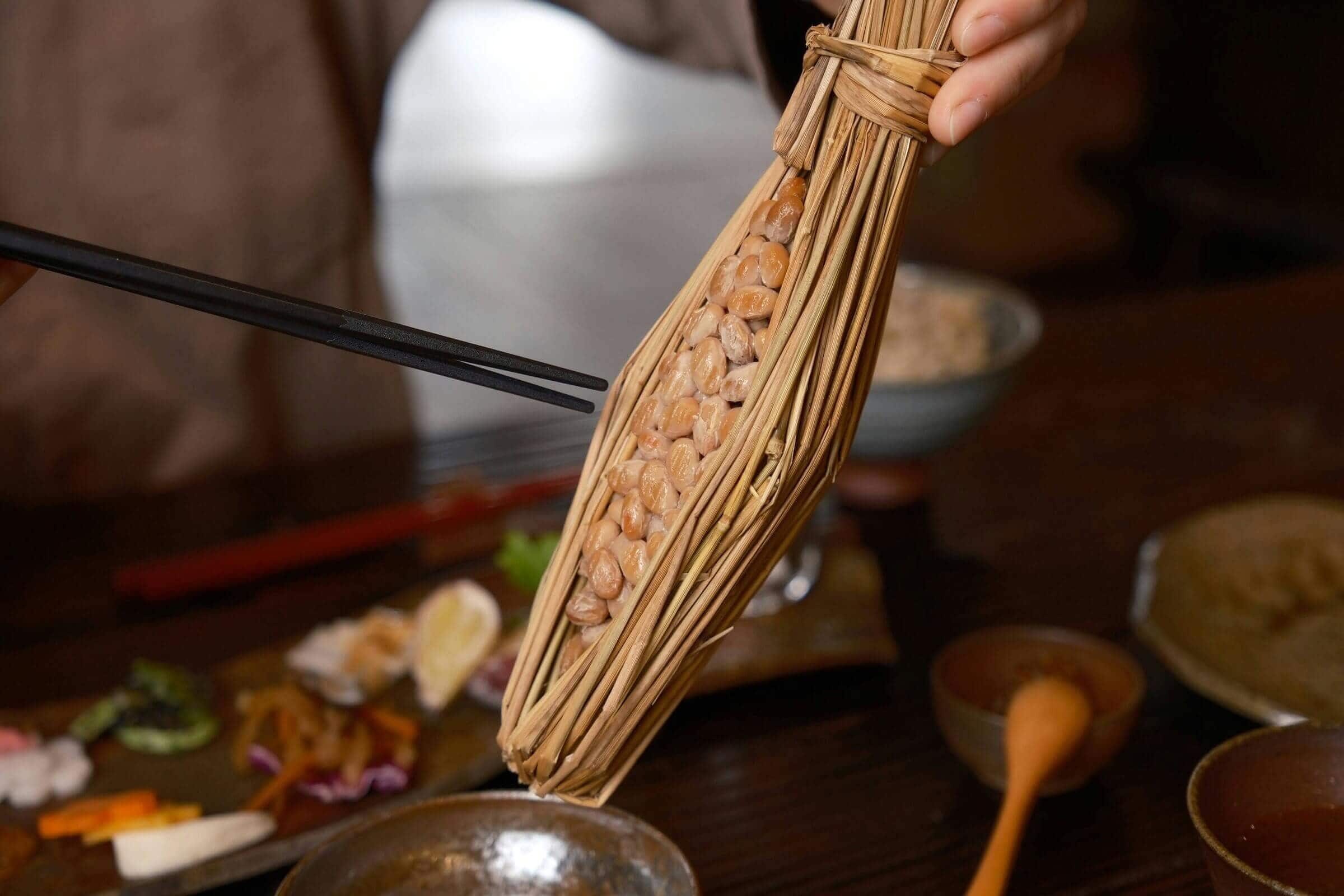
Nattokinase is a serine protease, an enzyme that breaks down proteins, derived from natto, a fermented Japanese food made with soybeans and the bacterium Bacillus subtilis natto. In Japan, natto is treated as a superfood, and researchers have embraced nattokinase for its fibrinolytic activity: its ability to break down both fibrinogen and fibrin.
Fibrin is the key word here. Blood clots are made up primarily of platelets and fibrin, the structural protein that gives a clot its mesh. Because nattokinase degrades fibrin, researchers have studied how it affects blood flow, and studies show it improves blood flow by inhibiting platelet aggregation and thrombus formation. When platelets clump excessively, the resulting clots raise the risk of heart attack, stroke, and deep vein thrombosis, which is why fibrinolytic activity gets so much research attention.
The blood pressure connection runs through a second mechanism. Studies show that nattokinase inhibits angiotensin-converting enzyme (ACE). ACE produces angiotensin II, a compound that constricts blood vessels. Prescription ACE inhibitors target the same enzyme, which is why researchers found the food-derived version worth studying. To be clear, this is a laboratory-observed mechanism in a fermented food, not evidence that a supplement performs like a prescription drug.
Sluggish circulation and blood pressure often travel together. If you are noticing cold hands, numbness, or heaviness in your legs, those can be worth understanding on their own.
Does Nattokinase Lower Blood Pressure? What the Research Shows
A small randomized controlled trial found modest reductions, and the evidence base is still limited. In a randomized, double-blind, placebo-controlled, multicenter North American clinical trial, consumption of nattokinase was associated with reduced blood pressure and reduced von Willebrand factor, a cardiovascular risk marker, over 8 weeks. That is a well-designed study, but it was small, and modest average reductions in a trial are not a promised outcome for any individual.
Zooming out, a systematic review and meta-analysis of randomized controlled trials examined nattokinase supplementation across cardiovascular risk factors, which is the strongest form of evidence synthesis available for a supplement. The overall picture is encouraging enough to keep researchers interested and honest enough to keep marketers careful: findings support nattokinase as a supplement that supports healthy blood pressure levels already in a normal range, not as a treatment for hypertension.
Why does blood pressure matter this much in the first place? A large systematic review and meta-analysis found that lowering blood pressure reduces the risk of cardiovascular disease and death at the population level. That is the context for all of this: blood pressure is one of the most consequential numbers in preventive health, which is exactly why it deserves evidence-graded information rather than hype.
How Much Nattokinase Should You Take?
Most studies gave participants the equivalent of 2,000 to 4,000 fibrinolytic units (FU) of nattokinase daily, and one large clinical study used 10,800 FU per day. Nattokinase is a supplement, so dosage recommendations vary depending on your health goals, age, and existing conditions, and the U.S. Food and Drug Administration (FDA) does not provide dosage guidance for any supplement.
First, understand the unit. Fibrinolytic units measure the ability of the enzymes in a supplement to break down fibrin, the protein involved in blood clot formation. Basically, FU expresses the potency of nattokinase, which is why milligrams alone tell you very little.
Here is how the studied doses break down:
- 2,000 to 4,000 FU daily. The range most studies used, including the 8-week North American blood pressure trial. Capsule products typically deliver 2,000 FU per capsule, taken once or twice daily.
- 10,800 FU daily. A clinical study of 1,062 participants at risk of heart disease used this higher dose and found improvements in lipid profiles and a slower progression of arterial plaque over 12 months. Some people working with their healthcare provider may benefit from a higher dose.
Toku Flow is a daily powder that delivers 10,800 FU of nattokinase per serving, along with vitamin K2 (MK-7) and oat beta-glucan, formulated to support cardiovascular health and healthy circulation.
When choosing any brand, look for supplements that list potency in FU rather than milligrams, and avoid products with unwanted additives or proprietary blends that hide the actual amount of the enzyme.
When Should You Take Nattokinase?
Consistency matters more than clock time. The studies that reported results tracked participants taking nattokinase daily for weeks, so the most useful habit is simply taking it at the same time every day.
Within that, people tend to settle into one of two routines. Some take nattokinase on an empty stomach, reasoning that absorption is better without food competing for digestion. Others take it before bed to support healthy circulation overnight. There is no head-to-head study crowning a winner here, so pick the time you will actually remember.
Whichever you choose, know your baselines. Monitor your blood pressure regularly with a home cuff so you have real numbers, not impressions, to discuss with your doctor.
What Precautions Should You Know Before Taking Nattokinase?
Always consult a healthcare professional before starting any new supplement or making significant changes to your diet. That advice is generic for most supplements; for nattokinase, it is specific and important.
Nattokinase may interact with certain medications or potentially enhance the effects of blood thinners, anticoagulants, and antihypertensives. This could lead to side effects such as excessive bleeding or unexpected drops in blood pressure, which may cause dizziness or fatigue. If you are already on blood pressure medication or have been diagnosed with a bleeding disorder, talk to your doctor before adding nattokinase, and never adjust or stop a prescribed medication on your own.
A few more precautions worth knowing:
- Surgery: Due to its anti-clotting effects, nattokinase is not recommended in the weeks before scheduled surgeries.
- Pregnancy and breastfeeding: Talk to your doctor first.
- Common mild effects: Possible side effects of nattokinase include allergic reactions, mild stomach upset, or nausea.
- Soy allergy: Traditional nattokinase is derived from fermented soybeans, so check how a given product is sourced if soy is a concern.
The Takeaway
Nattokinase is one of the better-studied enzymes in the supplement world, with a small randomized trial reporting modest blood pressure reductions over 8 weeks and a larger body of research on its fibrinolytic activity and circulatory support. As part of a routine built on fundamentals, it can support healthy blood pressure levels within the normal range and healthy circulation.
It is not a medication, and it is not a reason to change one. If you take blood pressure medication or blood thinners, bring nattokinase up with your prescriber first, keep monitoring your numbers at home, and give any supplement the same 8-plus weeks the studies did before judging it.
FAQs
Does nattokinase lower blood pressure?
A small randomized, double-blind, placebo-controlled trial found that 8 weeks of nattokinase consumption was associated with modest reductions in blood pressure compared to placebo. The evidence is promising but limited: the trial was small, and average reductions in a study do not guarantee results for any individual. As a dietary supplement, nattokinase supports healthy blood pressure levels already in a normal range. Anyone with diagnosed hypertension should be working with a doctor, not self-treating.
What is the studied nattokinase dosage for blood pressure support?
Most studies, including the 8-week North American blood pressure trial, used the equivalent of 2,000 to 4,000 FU daily. A separate 12-month clinical study of 1,062 participants at cardiovascular risk used 10,800 FU per day and tracked lipid and arterial plaque markers. The FDA does not set supplement dosages, so discuss the right amount for your situation with your healthcare provider.
Can you take nattokinase with blood pressure medication?
Only with your prescriber involved. Nattokinase may enhance the effects of antihypertensives, anticoagulants, and blood thinners, which can compound into unanticipated drops in blood pressure or bleeding risk. Tell your doctor before adding it, monitor your readings, and never stop or reduce a prescribed medication on your own.
How long does it take to notice anything from nattokinase?
The studies that measured blood pressure ran 8 weeks or longer before reporting results, and the large arterial-health study ran 12 months. Individual results vary, and no outcome is promised on any timeline. The practical approach is to take it consistently, track your own blood pressure at home, and review the numbers with your doctor after a couple of months.
Is nattokinase a replacement for blood pressure medication?
No. Nattokinase is a dietary supplement, not a treatment for hypertension, and no study has tested it as a substitute for prescribed medication. If your doctor has prescribed blood pressure medication, keep taking it exactly as directed. Stopping antihypertensive medication without medical supervision can be dangerous. Where nattokinase may fit, with your doctor's input, is alongside the fundamentals: diet, movement, sleep, and stress management.
What causes high blood pressure (hypertension)?
Hypertension results from the increased force of blood against your artery walls. For many people, there is no single obvious cause, but diet, exercise, stress, smoking, and genetics all play a role. Some people are sensitive to sodium, a well-studied dietary contributor to hypertension risk. Chronic conditions like kidney disease, diabetes, and hormonal imbalances can also contribute. Left untreated, high blood pressure increases the risk of heart disease and stroke.
*The information provided in this article is for educational and informational purposes only and is not intended as health or medical advice. Always consult a physician or other qualified health provider regarding any questions you may have about a medical condition or health objectives. This content has not been evaluated by the Food and Drug Administration and is not intended to diagnose, treat, cure, or prevent any disease.
Sources:
- Fibrin Formation, Structure and Properties https://pubmed.ncbi.nlm.nih.gov/28101869/
- Nattokinase Supplementation and Cardiovascular Risk Factors: A Systematic Review and Meta-Analysis of Randomized Controlled Trials https://pubmed.ncbi.nlm.nih.gov/39076715/
- Effective management of atherosclerosis progress and hyperlipidemia with nattokinase: A clinical study with 1,062 participants https://pmc.ncbi.nlm.nih.gov/articles/PMC9441630/
- Nattokinase improves blood flow by inhibiting platelet aggregation and thrombus formation https://synapse.koreamed.org/articles/1053773
- Consumption of nattokinase is associated with reduced blood pressure and von Willebrand factor, a cardiovascular risk marker: results from a randomized, double-blind, placebo-controlled, multicenter North American clinical trial https://www.dovepress.com/consumption-of-nattokinase-is-associated-with-reduced-blood-pressure-a-peer-reviewed-fulltext-article-IBPC
- Nattokinase (Bac s 1), a subtilisin family serine protease, is a novel allergen contained in the traditional Japanese fermented food natto https://www.sciencedirect.com/science/article/pii/S1323893022001356?via%3Dihub
- Inhibition of angiotensin I converting enzyme by subtilisin NAT (nattokinase) in natto, a Japanese traditional fermented food https://pubmed.ncbi.nlm.nih.gov/22453301/
- Blood pressure lowering for prevention of cardiovascular disease and death: a systematic review and meta-analysis https://pubmed.ncbi.nlm.nih.gov/26724178/
- Genome-wide association analysis identifies novel blood pressure loci and offers biological insights into cardiovascular risk https://pubmed.ncbi.nlm.nih.gov/28135244/