
Key Takeaways:
ApoB measures the number of atherogenic particles in your bloodstream, making it a more precise cardiovascular risk marker than LDL cholesterol alone.
Reducing saturated fat, increasing soluble fiber, and following a Mediterranean-style diet are the most evidence-backed ways to lower ApoB naturally.
Diet is the primary lever for managing ApoB, but exercise, weight loss, reduced alcohol, and better sleep can all reinforce your results.
You've probably heard of LDL cholesterol, but there's another number your doctor might not be testing for yet — and it might actually tell you more. It's called apolipoprotein B, or ApoB , and it’s more useful than some people realize.
LDL cholesterol will always be an important metric , but it can sometimes understate or overstate risk depending on particle size and triglyceride metabolism. LDL-C measures how much cholesterol is being carried inside LDL particles. ApoB helps estimate the number of atherogenic particles circulating in the bloodstream, including LDL, VLDL, IDL, and lipoprotein(a).
Here's what you need to know and how Toku can help support your heart health.
How Can You Lower ApoB With Diet?
The single most important factor in managing your ApoB (and your cholesterol) is changing the way that you eat . You may not need a radical overhaul of your entire diet. Making some common-sense swaps is often substantial enough to make a difference.
Reduce Saturated Fat
One of the most evidence-based ApoB diet strategies is reducing saturated fat intake. Saturated fat can increase LDL particle production and reduce LDL receptor activity, leading to fewer particles being cleared from the bloodstream.
Reducing saturated fat to less than 7% of daily calories is generally associated with an estimated 8-10% reduction in LDL-C .
Choosing olive oil instead of butter, replacing high-fat dairy with lower-saturated-fat options, eating fish, beans, or lentils instead of fatty processed meats, and limiting your intake of added fats can have a significant impact.
You don't need to eat a totally boring, joyless diet — you’ll just want to choose healthier fats and use them sparingly. It's a swap game. Opt for olive oil on your bread instead of butter, for example, or fish tacos instead of a bacon cheeseburger a few nights a week. Small shifts add up.
Increase Soluble Fiber
Soluble fiber is one of the most practical ways to support healthier cholesterol metabolism. Soluble fiber forms a gel-like substance in the digestive tract that can reduce cholesterol absorption and increase bile acid excretion. The body then uses cholesterol to make more bile acids, which can help lower circulating LDL particles.
Oats, beans, lentils, apples, berries, barley, chia, and flaxseed are awesome natural sources of soluble fiber.
Replace Refined Carbs With Whole Foods
ApoB is not only about dietary fat. Refined carbohydrates can increase triglycerides and VLDL production in some people. VLDL particles also carry ApoB, so a diet high in added sugars, sweet drinks, pastries, and ultra-refined grains may contribute to a higher ApoB particle count, especially when triglycerides are elevated.
If a carbohydrate comes with fiber, protein, minerals, and structure, it usually behaves differently in the body than a stripped-down refined carb.
Follow a Mediterranean-Style Dietary Pattern
The Mediterranean diet is often recommended because it is less rigid and more of a pattern to follow. It's essentially a lot of vegetables, legumes, fruit, whole grains, olive oil, nuts, seeds, herbs, and fish, with less emphasis on processed foods, refined carbs, and high-saturated-fat meats.
For ApoB, the advantage is that this pattern acts through multiple mechanisms simultaneously. You're getting more soluble fiber, more unsaturated fat, better triglyceride control, and often improved weight regulation.
What Lifestyle Changes Can Reduce ApoB Levels?
The bulk of ApoB management is diet, but if you're looking to maximize your results, some lifestyle changes can reinforce the choices you make at the dinner table.
Exercise
Exercise supports lipid metabolism, insulin sensitivity, blood pressure, and body composition. However, research suggests that exercise alone may have a more modest direct effect on ApoB than dietary changes or weight loss.
Weight Management
Even modest weight loss can improve ApoB, triglycerides, and insulin sensitivity by reducing liver fat and improving insulin signaling.
Reduce Alcohol Consumption
Alcohol can raise triglycerides in some people, which may contribute to higher VLDL and ApoB levels.
Regulate Your Sleep and Stress Patterns
Poor sleep and chronic stress can affect cortisol levels, appetite regulation, insulin sensitivity, and inflammation-related behaviors. Sleep and stress changes may not lower ApoB as directly as saturated fat reduction or weight loss, but they can make the entire plan more achievable.
What To Know About Supplementation for Heart Health
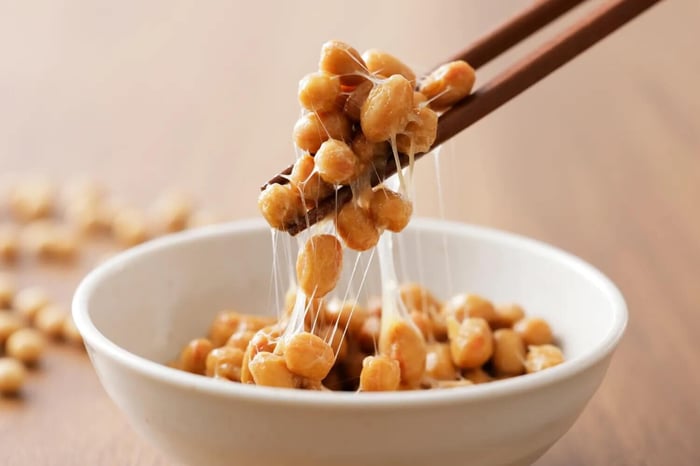
Nattokinase may support healthy lipid levels as part of a broader cardiovascular wellness routine.
Research supports the theory behind nattokinase’s potential lipid-modulating mechanisms , including effects related to lipid metabolism and vascular function. Some studies showing more meaningful lipid-related outcomes have used higher doses, such as 10,800 fibrinolytic units (FU) per day, whereas lower-dose approaches may not yield the same results.
Toku Flow contains nattokinase and is formulated to complement your diet and lifestyle changes, not replace them. It’s also chickpea-based rather than soy-based — and that distinction matters for people who prefer to avoid soy.
Keep in mind that this is not an official treatment for elevated ApoB, and it should not be used as one. If your ApoB is high, work with your healthcare provider to understand your full risk picture. Our supplement is designed to be one part of a well-rounded heart health routine.
The Bottom Line
ApoB is one of the most informative numbers you can know when it comes to your cardiovascular health, and the good news is that it responds to the choices you make every day. Reducing saturated fat, eating more fiber, moving your body, and managing your weight are all meaningful levers. None of them require perfection, they really just require consistency.
If you're looking for a supplement to complement that foundation, Toku Flow was formulated with exactly that in mind. With 10,800 FU of nattokinase per sachet and a chickpea-based formula that's free from soy, it's designed to support your overall heart health routine.
FAQs
What is apolipoprotein B (ApoB) and why does it matter?
ApoB is a protein found on atherogenic particles in the bloodstream, including LDL, VLDL, IDL, and lipoprotein(a). Because each of these particles carries one ApoB molecule, measuring ApoB gives a clearer picture of cardiovascular risk than LDL cholesterol alone.
How is ApoB different from LDL cholesterol?
LDL-C measures how much cholesterol is being carried inside LDL particles, while ApoB estimates how many atherogenic particles are actually circulating in your bloodstream. Two people can have identical LDL-C levels but meaningfully different ApoB levels depending on particle size and triglyceride metabolism.
What foods can help support healthy ApoB levels?
Reducing saturated fat, increasing soluble fiber from sources like oats, beans, and berries, replacing refined carbs with whole foods, and incorporating omega-3s and monounsaturated fats may all help support healthy ApoB levels as part of a balanced diet.
Does exercise lower ApoB?
Exercise supports lipid metabolism and overall cardiovascular health, but research suggests its direct effect on ApoB may be more modest on its own. The most meaningful results tend to come when regular movement is combined with dietary changes.
Can nattokinase help with ApoB?
Some research suggests nattokinase may support healthy lipid levels as part of a broader cardiovascular wellness routine. However, it is not a formal treatment for elevated ApoB and should not be used as one. Consult your healthcare provider before adding any supplement to your routine.
How do I know if my ApoB is high?
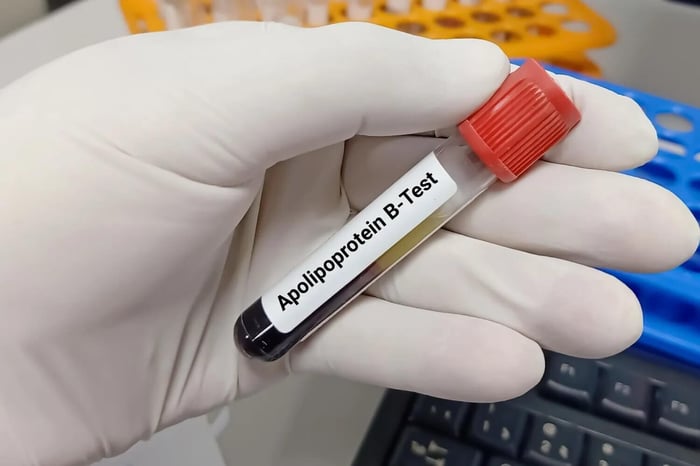
ApoB is measured through a blood test. Talk to your doctor about whether ApoB testing makes sense for you based on your full cardiovascular risk profile, including LDL-C, triglycerides, blood pressure, and family history.
*These statements have not been evaluated by the FDA. This product is not intended to diagnose, treat, cure or prevent any disease. Keep out of reach of children. Consult with your physician before use if you are pregnant, nursing, have a medical condition, or taking anticoagulants. Discontinue use and consult with your health care professional if you experience any adverse reaction to this product.
Sources:
ApoB, LDL-C, and non-HDL-C as markers of cardiovascular risk | ScienceDirect
Apolipoprotein B: Bridging the Gap Between Evidence and Clinical Practice | Circulation
How To Lower Apolipoprotein B Through Diet | Princeton Longevity Center
Research Progress of Nattokinase in Reducing Blood Lipid | MDPI